il vaut mieux que

“Il vaut mieux que” means “It is better that.” It is derived from the phrase “il vaut mieux,” meaning “it is better.”

The phrase it is derived from, “il vaut mieux,” is used in a general way to say that “it is better that something be done.” But “il vaut mieux” does not specify who should do something. It just expressed a general need.

“Il vaut mieux que,” on the other hand, is used to introduce a subordinate clause, which will specify who should take the relevant action. It is often followed by a verb in the subjunctive mood.

Examples

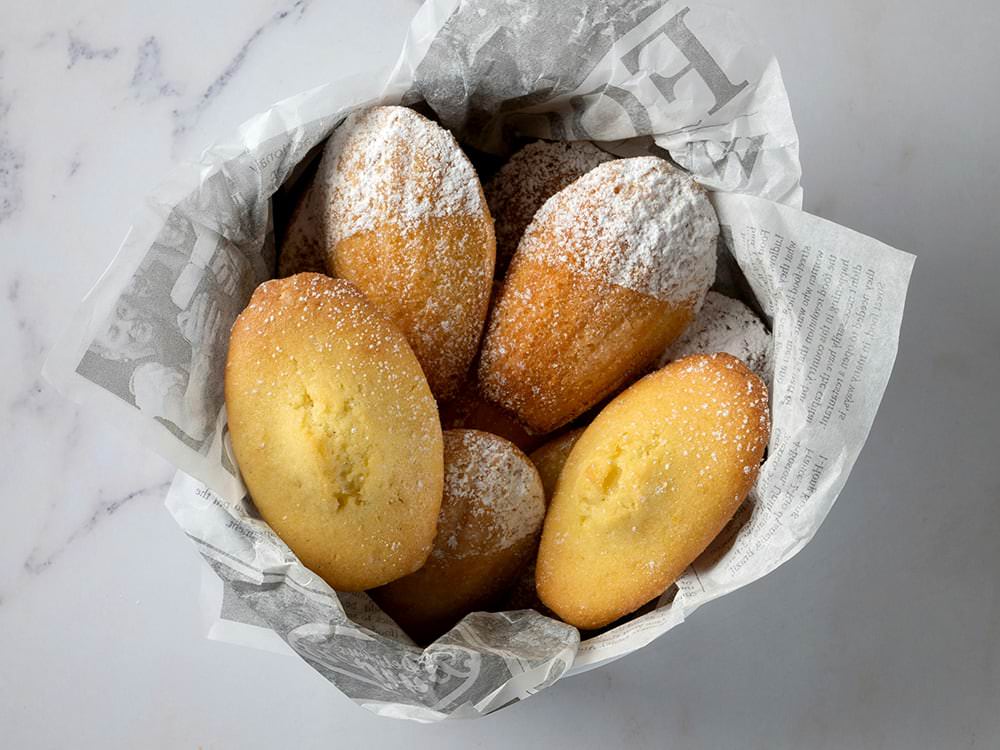
  • “il vaut mieux qu’elle fasse un gâteau la veille” (it’s better that she bakes a cake the day before.)
  • “il vaut mieux que nous recyclions nos déchets.” (it is better that we recycle our waste.)
  • “il vaut mieux qu’il y aille tôt.” (it’s better that he goes there early.)

Don’t miss new articles!

Get 1 email a week with new articles about French

We don’t spam! Read more in our privacy policy

Similar Posts

  • rien que

    rien que is a fixed French phrase with several common uses. It can mean only, just, nothing but, or if only. The exact meaning depends on the context and sentence structure. 1) meaning “only” or “just” This is the most common use. rien que limits what follows. It often stresses that something is small in…

  • à partir de

    The French phrase à partir de is used to indicate a starting point in time, space, or quantity. It is usually translated as “from” or “starting from.” It marks the moment, place, or amount from which something begins, and often implies continuation beyond that point. Temporal meaning When referring to time, à partir de means…

  • battre la campagne

    “Battre la campagne” is a French saying that literally means “to beat the countryside.” What it really means is “to talk nonsense,” “to rant,” or “to travel over large areas in search of something or someone.” It comes from a practice used by hunters of getting servants or friends to use sticks to beat bushes…

  • les uns…les autres

    The French phrase “les uns… les autres” is used to refer to two groups of people or things in a general way. It means “some… others” or “some… the others” in English. Meaning and Usage The phrase is often used to compare or describe how two groups interact or differ. It can also show reciprocity,…