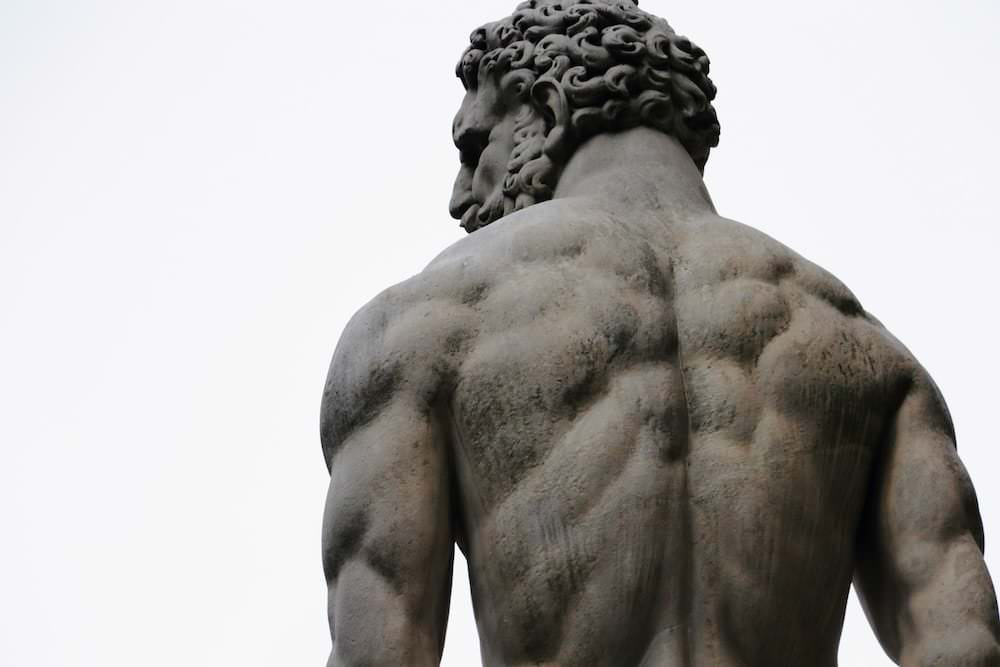
macho
The word macho exists in both French and English and ultimately comes from Spanish macho, meaning male. Despite the shared origin and spelling, the dominant meanings, typical contexts, and evaluative force differ between the two languages. In French, macho is strongly tied to sexism and gender relations. In English, it is broader and can range from negative to neutral or even mildly positive depending on context.
Etymological background
The word entered both languages via Spanish, where macho originally meant:
- Male, especially in reference to animals
- Strongly masculine
From there:
- French adopted macho mainly as a social and ideological label.
- English expanded its use to describe style, behaviour, or exaggerated masculinity, sometimes without an explicit sexist component.
Meaning of macho in French
Core meaning in French
In contemporary French, macho almost always means:
- Sexist
- Asserting male superiority over women
- Holding traditional or reactionary views about gender roles
It is a strongly negative term and is rarely neutral.
Grammatical behaviour
Macho is:
- An invariable adjective in most usage
- Also used as a noun: un macho
Common French collocations
- Un comportement macho
- Une attitude macho
- Un discours macho
- Être macho
French usage examples
- Il a des idées machos sur le rôle des femmes. He has macho ideas about the role of women.
- Ce patron est macho et refuse d’écouter ses employées. This boss is macho and refuses to listen to his female employees.
- Ils critiquent une culture politique encore très macho. They criticise a political culture that is still very macho.
- Arrête d’être macho, elle peut se débrouiller seule. Stop being macho, she can manage on her own.
Limits of meaning in French
In French, macho:
- Rarely refers simply to being masculine
- Almost never carries a positive or ironic sense unless clearly marked
- Is closely aligned with sexiste and machiste
Using macho in French without criticism generally sounds unnatural or provocative.
Meaning of macho in English
Core meanings in English
In English, macho can refer to:
- Exaggerated masculinity
- Toughness or emotional hardness
- Dominance or bravado
- Sexist attitudes, depending on context
The meaning ranges from negative to neutral, and occasionally ironic or approving.
Typical English collocations
- Macho culture
- Macho image
- Macho behaviour
- Macho posturing
English usage examples
- He tried to act macho in front of his friends.
- The film celebrates a macho action-hero fantasy.
- That workplace rewards macho competitiveness.
- He put on a macho exterior but was actually insecure.
In these examples, the word does not necessarily imply hostility toward women, even though it can in other contexts.
Explicitly sexist use in English
English can align with the French meaning when qualified:
- Male chauvinist macho attitudes
- A macho and sexist environment
Examples:
- His macho views about women caused repeated conflicts.
- The company tolerated a macho, sexist culture for years.
Here, the negative gender-based meaning is explicit.
Key semantic differences
Default interpretation
- French: macho defaults to sexist behaviour or beliefs.
- English: macho defaults to exaggerated masculinity, not necessarily sexism.
Range of evaluation
- French: almost always condemnatory.
- English: often critical, sometimes descriptive, occasionally ironic or admiring.
Gender focus
- French: directly focused on gender hierarchy.
- English: can focus on image, style, emotional restraint, or toughness, even without reference to women.
Translation pitfalls
From French to English
- Il est macho.
Likely meaning: He is sexist.
Natural translation: He is sexist or He has sexist attitudes. - Un milieu très macho.
Meaning: A sexist environment.
Not simply: A very masculine environment.
From English to French
- He acts macho.
Likely meaning: He performs exaggerated masculinity.
Natural French translation: Il joue les durs or Il adopte une attitude viriliste. - A macho image.
Meaning: A tough, hyper-masculine image.
Not automatically: Une image sexiste.
Literal translation often introduces unintended moral judgement.
Synonyms and alternative expressions
French alternatives
- For sexist meaning:
- Sexiste
- Machiste
- Misogyne (stronger)
- For exaggerated masculinity without sexism:
- Viriliste
- Jouer les gros bras
- Posture virile
English alternatives
- For exaggerated masculinity:
- Hyper-masculine
- Tough-guy
- Alpha-male (context-dependent)
- For sexist meaning:
- Sexist
- Male chauvinist
- Misogynistic
Summary
- French macho almost always means sexist.
- English macho often means exaggerated masculinity and may not involve sexism.
- English usage covers a wider range of attitudes and tones.
- Direct translation frequently distorts the intended meaning.
- Context and reformulation are often necessary for accuracy.