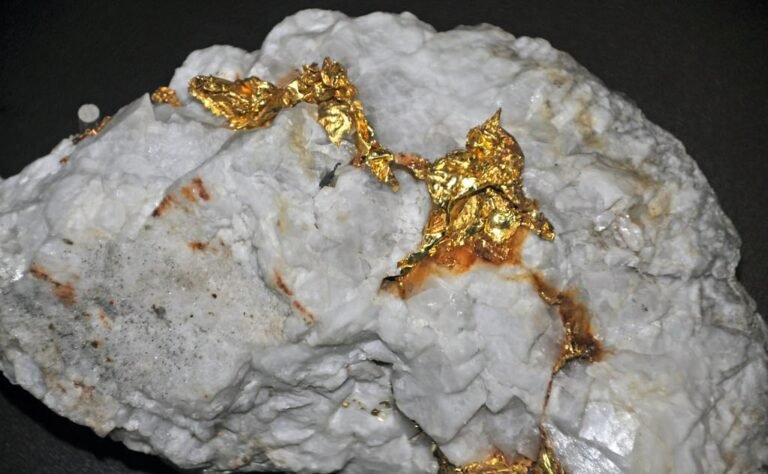
À la queue leu leu

This expression means “in single file” or “each one behind the other.” It is a shortened form of “à la queue du leu le leu.” The word “leu” is the old word for “wolf” in French. So the longer form meant “at the tail of the wolf, the wolf” meaning that the wolves would travel in a group, but in single file.
Don’t miss out on new posts – subscribe now!

Don’t miss new articles!

Get 1 email a week with new articles about French

We don’t spam! Read more in our privacy policy

Similar Posts

  • c’est fort de café

    “c’est fort de café !” means “it’s over the top!” or simply “it’s too much!”. This idiom is a way of saying something is excessive or exaggerated. It translates literally as “it’s strong of coffee” (or “this coffee is strong!”) and comes from a 17th century expression “c’est trop fort,” meaning literally “it’s too strong,”…

  • faire grève

    “Faire grève” or “faire la grève” is a French idiom that means “to strike,” or “to go on strike.” This is when workers purposely stop working in their attempt to achieve higher wages and/or better conditions from their employers. The word “grève” in the expression comes from the word for gravel (gravier) which in turn came…

  • Avoir d’autres chats à fouetter

    “Avoir d’autres chats à fouetter” means literally “to have other cats to whip.” But in English, this would translate to “to have other fish to fry” or “to have better/more important things to do.” The origin of this expression is unknown. However other expressions involving whipped cats do exist: “éveillée comme un chat qu’on fouette”…

  • faire une frite

    The French expression “faire une frite” literally means “to make a fry” or “to make a French fry.” However it has nothing to do with cooking. Instead it means to use the backs of your fingers to whip someone’s bottom in a downwards direction. This action, often done by kids teasing each other, will leave…

  • recevoir une avoinée

    “Recevoir une avoinée” is a French saying that means “to receive a correction, to get beaten or to get hit.” English equivalents would include “to get a licking” or “to take a thrashing.” It comes from the word “‘l’avoine,” meaning “oat.” Oats were used as feed for horses. The expression “l’avoine de cocher” from 1866 meant…