je suis vs je suis
French has a small set of verb forms that are spelled the same, or come extremely close to it, and are also pronounced identically, even though they come from completely unrelated infinitives. Sometimes an accent is the only thing keeping the spelling apart, and sometimes there is no difference on the page at all. Working out which verb is meant depends entirely on the sentence around it. Below are the clearest examples, their meanings, and examples showing each one in context.
Crois vs croîs
Croire (“to believe”) and croître (“to grow” or “to increase”) share identical pronunciation in the singular present tense: je crois and je croîs are both said the same way. The only difference is un accent circonflexe (“a circumflex accent”) on the i of croître: je croîs, tu croîs, il croît. Without the accent, the same letters belong to croire.
The two verbs also produce a well-known pair of past participles: cru (from croire) and crû (from croître), again pronounced the same way. The circumflex on crû exists purely to stop it being read as cru.
- Je crois que tu as raison. – “I believe you are right.”
- La plante croît rapidement au printemps. – “The plant grows quickly in spring.”
- Il a cru toute l’histoire sans poser de questions. – “He believed the whole story without asking any questions.”
- Le nombre de visiteurs a crû chaque année. – “The number of visitors has grown every year.”
For talking about numbers or quantities increasing, augmenter (“to increase”) is used more often in everyday French than croître, which sounds more formal or literary.
Plu vs plu
The past participle of plaire (“to please”) and the past participle of pleuvoir (“to rain”) are both plu, spelled and pronounced exactly the same way. Neither one changes for gender or number, so context is the only clue.
- Ce restaurant m’a beaucoup plu. – “I liked this restaurant a lot” (literally, “This restaurant pleased me a lot”).
- Il a plu pendant deux heures cet après-midi. – “It rained for two hours this afternoon.”
- Le film leur a plu. – “They liked the film.”
- Il n’a pas plu depuis des semaines. – “It hasn’t rained for weeks.”
Suis vs suis
This is the best known pair in French. Être (“to be”) and suivre (“to follow”) both give je suis in the present tense, spelled and pronounced exactly the same way.
- Je suis fatigué ce soir. – “I am tired tonight.”
- Je suis les instructions à la lettre. – “I follow the instructions to the letter.”
- Je suis médecin. – “I am a doctor.”
- Je te suis partout où tu vas. – “I follow you everywhere you go.”
Context is the only way to tell the two apart. A noun or adjective straight after suis usually points to être (je suis fatigué), while a direct object such as a person, a path, or a set of instructions points to suivre (je suis le chemin).
Vainc vs vint
Vaincre (“to defeat”) and venir (“to come”) are unrelated verbs, but il vainc and il vint (the passé simple form of venir, meaning “he came”) are pronounced exactly the same way, even though the spelling is quite different. In both words, the final consonant is silent.
- L’équipe locale vainc son adversaire sans difficulté. – “The home team defeats its opponent without difficulty.”
- Il vint nous voir dès qu’il apprit la nouvelle. – “He came to see us as soon as he heard the news.”
- Il vainc sa peur et monte sur scène. – “He overcomes his fear and steps on stage.”
- Elle vint à Paris en 1920. – “She came to Paris in 1920.”
The venir form here belongs to the same literary passé simple mentioned above, so in everyday speech il est venu (“he came”) is used far more often than il vint.
Vis vs vis
Vivre (“to live”) and voir (“to see”) meet at je vis, spelled and pronounced exactly the same way. From vivre it means “I live”, and from voir it is a past tense form meaning “I saw”.
- Je vis à Melbourne depuis dix ans. – “I have lived in Melbourne for ten years.”
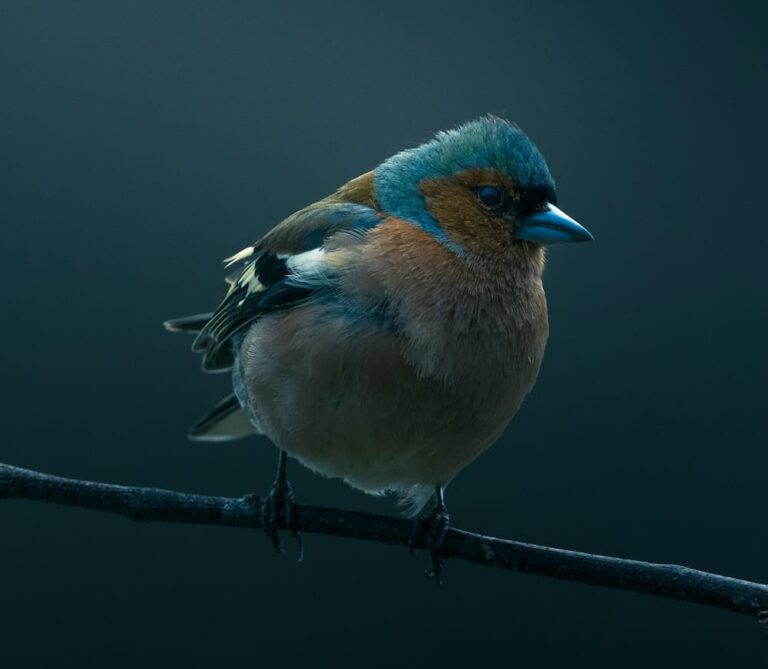
- Je vis un bel oiseau dans le jardin. – “I saw a beautiful bird in the garden.”
- Il vit seul depuis son divorce. – “He has lived alone since his divorce.”
- Elle vit un accident hier soir. – “She saw an accident last night.”
The voir form above belongs to a literary past tense called the passé simple, used mainly in writing and storytelling rather than in conversation. In everyday speech, j’ai vu (“I saw”) is used instead of je vis, which makes it by far the more common way to say “I saw” out loud.
Summary
- Crois (croire, “to believe”) vs croîs (croître, “to grow”); cru vs crû in the past participle.
- Plu, the past participle shared by plaire (“to please”) and pleuvoir (“to rain”).
- Suis (être, “to be”) vs suis (suivre, “to follow”).
- Vainc (vaincre, “to defeat”) vs vint (venir, “he came”).
- Vis (vivre, “to live”) vs vis (voir, “I saw”).