pousser

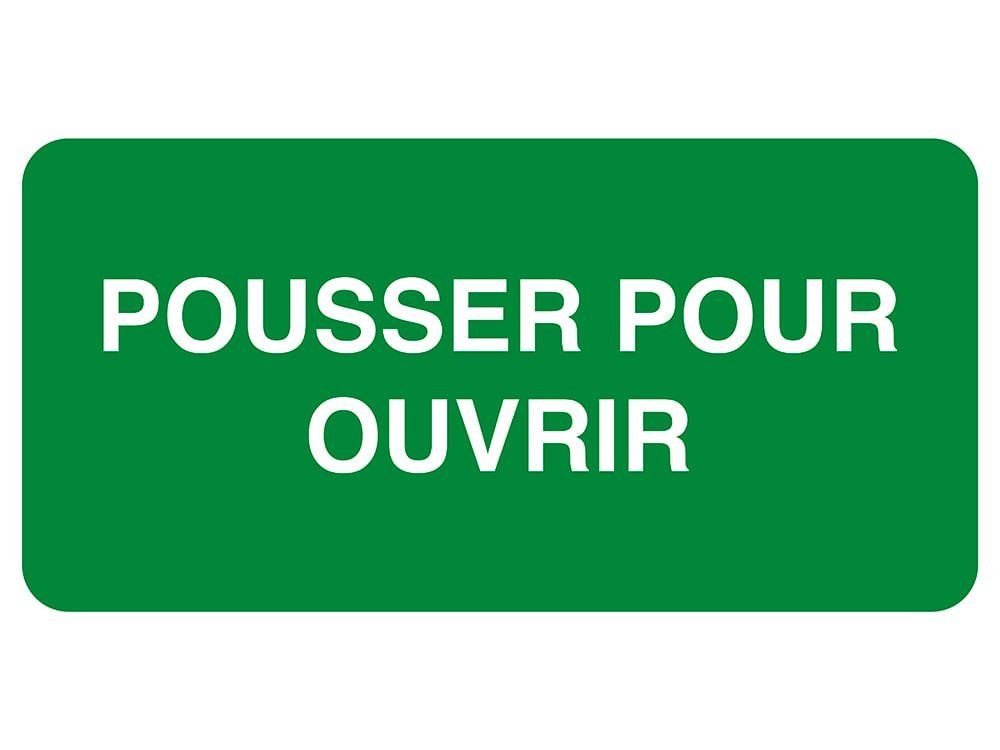
The French verb “pousser” means “to push,” “to move,” “to push aside,” “to let out,” or “to grow,” among a variety of different meanings. The green sign in the photo means “Push to open.”

To push:

“Pousser” mainly means to push or shove.

  • “Il faut pousser la porte pour entrer.” (Push the door to enter.)
  • “Elle pousse son ami à essayer quelque chose de nouveau.” (She encourages her friend to try something new.)

To grow:

  • “Les plantes poussent dans le jardin.” (Plants grow in the garden.)

Expressions and Idiomatic Usage:

  • “Pousser un cri de joie.” (Utter a cry of joy.)
  • “Il a poussé un coup de gueule contre l’injustice.” (He ranted against injustice.)

Etymology:

The French verb “pousser” traces its roots to the Latin term “pulsare,” signifying “to push.” This origin underscores the fundamental notion of exerting force for movement.


Don’t miss new articles!

Get 1 email a week with new articles about French

We don’t spam! Read more in our privacy policy

Similar Posts

  • arriver

    The French verb “arriver” is quite versatile and can translate to different English verbs depending on the context. Here are its main meanings and examples of use: 1. To Arrive This is the most straightforward and common translation. It describes reaching a destination. Example: Notes: 2. To Happen “Arriver” can mean “to happen,” often in…

  • cuire vs cuisiner

    French learners often wonder about the difference between the verbs cuire and cuisiner. While both mean “to cook,” they are used in different contexts. Meaning and Usage Etymology Conjugation Cuire (Irregular Verb) Present tense: Passé composé: Cuisiner (Regular -ER Verb) Present tense: Passé composé:

  • French Verbs of Leaving

    In French, several verbs convey the idea of “leaving” in English, but they are not interchangeable. The verbs quitter, partir, and laisser each carry distinct meanings, grammatical constructions, and emotional nuances. Understanding their differences is essential for accurate and idiomatic usage. Quitter: To Leave (Someone or Something) The verb quitter is a transitive verb, meaning…

  • savoir

    The French verb “savoir” is a frequently used verb. It means “to know.” It is different from the verb “connaître,” which means “to know” in the sense of “to be familiar with.” “Savoir” is more like “to know how” (to do something). “Savoir” is an irregular verb, which means it doesn’t follow the usual rules for…

  • Christmas

    The French word for Christmas is “Noël.” It is a masculine noun, but you don’t have to use the article “le” before it, in most situations. “Christmas time” is “la période de Noël.” If you want to say “at Christmas,” it is simply “à Noël.” To wish someone “Merry Christmas,” you say (or write) “Joyeux…

  • Conjunctival Expressions

    In French, certain expressions—called conjunctival expressions—are followed by verbs in the subjunctive mood. The subjunctive is used to express doubt, uncertainty, desire, emotion, or a necessity. Below is a list of common conjunctival expressions that require the subjunctive, along with explanations and examples. 1. Il faut que… (It is necessary that…) This expression indicates necessity…