tout baigne

“Tout baigne” is a French saying that literally means “everything bathes.” This conjures up visions of a perfect summer beach setting, where some people lay in the sun and others splash about in the water.

The meaning of the saying seems to confirm this, because it means “everything is going well, it’s happening for the best, there is no problem.”

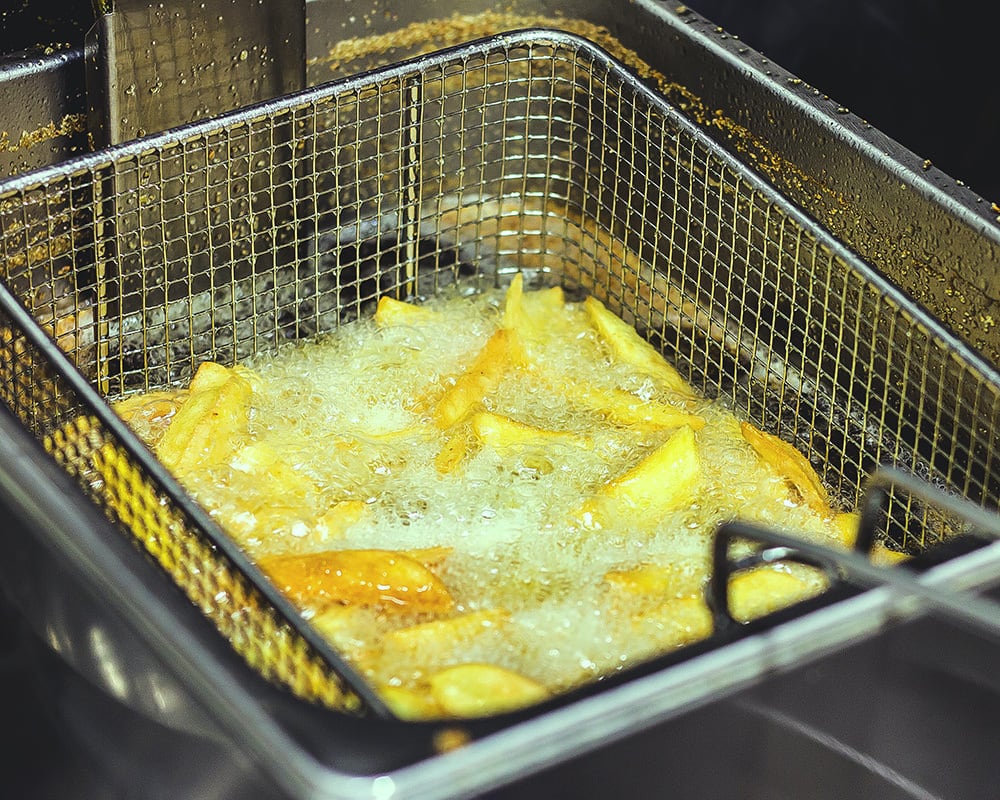
However this idiom is a shorter form of the original, which was “tout baigne dans l’huile,” which means “everything bathes in oil.” That referred to the cooking process and meant that everything was going well, because everything that was meant to be cooked, was currently being cooked in oil. Imagine a large quantity of “frites” (fries) cooking in oil. If enjoying some freshly cooked frites was your priority, you would be happy to know that “tout baigne.”

This expression is relatively recent, dating from the middle of the 20th century.

Equivalent English sayings include “everything is hunky dory,” “everything is running as smooth as silk,” or “easy-peasy.”


Subscribe to be informed of new posts!

Don’t miss new articles!

Get 1 email a week with new articles about French

We don’t spam! Read more in our privacy policy

Similar Posts

  • prendre

    The French verb “prendre” means “to take,” but a bit confusingly it can also mean “to bring.” Its conjugation in the present tense is irregular, so it must be memorised. However, “prendre” forms the basis for compound verbs such as “comprendre” (to understand), “apprendre” (to learn), “reprendre” (to take back), “surprendre” (to surprise) and many…

  • Avoir de la veine

    “Avoir de la veine” means to be lucky or to have luck. “Une veine” is a vein. So what is the connection between veins and luck? The term comes from the world of men who searched for gold, diamonds or other precious metals. These metals and diamonds are found in concentrations in rock called “veins.”…

  • être en panne

    “Être en panne” is a French saying that means to be damaged, to be broken, to be defective, to have broken down, or to have stopped an activity. This expression dates back to the 16th century, to the world of sailing ships. “Mettre en panne” meant to adjust the sails in such a way that…

  • tenir la jambe

    The French saying “tenir la jambe” means literally “to hold the leg.” What it means figuratively is “to hold someone back or to delay someone by saying lots of boring or irrelevant things to them.” This conjures up images of trying to get away from someone who insists on telling you something, even though you…