être dans les choux

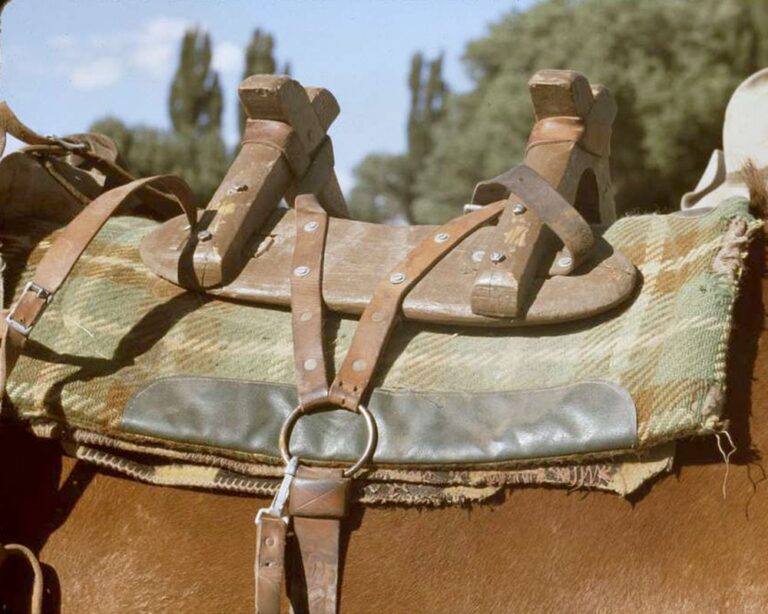
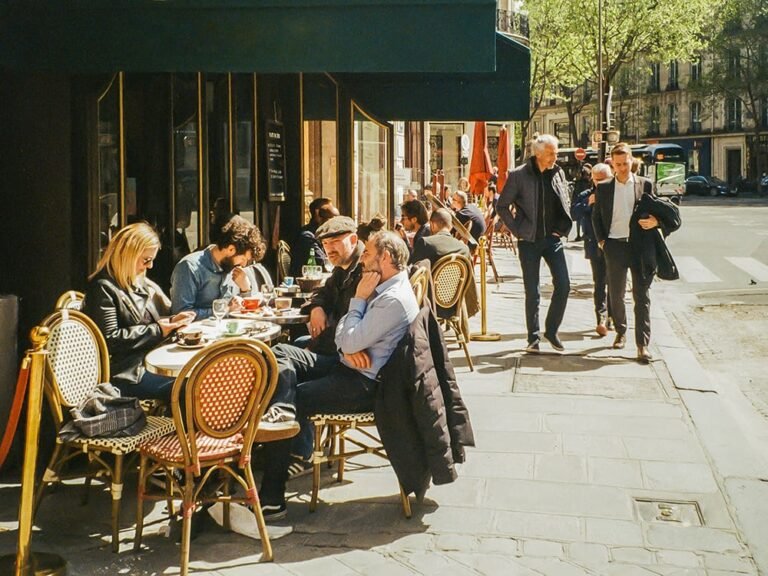
“être dans les choux” is a French saying that literally means “to be in the cabbages.” What it means really, however, is “to fail, to be in a bad situation, to be ranked last or to lose.” An equivalent English expression is “to be up the creek without a paddle.” It comes from the paronymy (the similar pronunciation of two words) between “les choux” (the cabbages) and “échouer” (to fail). The only connection between the two terms is their pronunciation, nothing more. The idiom first appeared in the second half of the 19th century.

Don’t miss out on new posts – subscribe now!

Don’t miss new articles!

Get 1 email a week with new articles about French

We don’t spam! Read more in our privacy policy

Similar Posts

  • aller à la selle

    The French idiom “aller à la selle” means literally “to go to the saddle.” But it doesn’t really have anything to do with horse riding. What it literally means is “to go to the toilet,” or “to have a bowel movement.” The saying is somewhat dated, so it is not used very frequently these days,…

  • | | |

    verb: s’attendre à

    The French verb “s’attendre à” means “to expect” or “to anticipate.” “S’attendre à” vs. “Attendre” The primary difference between “s’attendre à” and “attendre” is that “s’attendre à” is reflexive (or “pronominal” as we say in French) and “attendre” is not. While “attendre” means “to wait for” or “to await,” “s’attendre à” means “to expect” or…

  • Faire tintin

    “Faire tintin” means to be frustrated or deprived, to receive nothing when you were expecting something. Despite the illustration above, this saying has nothing to do with the comic book character Tintin. He was created in 1929, but the word “tintin” dates back to the 13th century. It originally referred to the noise of objects…

  • Cleopatra’s nose

    The French expression « le nez de Cléopâtre » (“Cleopatra’s nose”) comes from a famous line by the 17th-century philosopher and mathematician Blaise Pascal. In his Pensées (1670), he wrote: « Le nez de Cléopâtre, s’il eût été plus court, toute la face de la terre aurait changé. »If Cleopatra’s nose had been shorter, the…

  • mine de rien

    “Mine de rien” is a popular French expression that is used in everyday conversations. Literally translated, it means “appearance of nothing,” “expression of nothing,” or “look of nothing,” but its true meaning goes beyond its literal interpretation. This expression is often used to describe someone’s behavior or attitude when they are doing something in a…