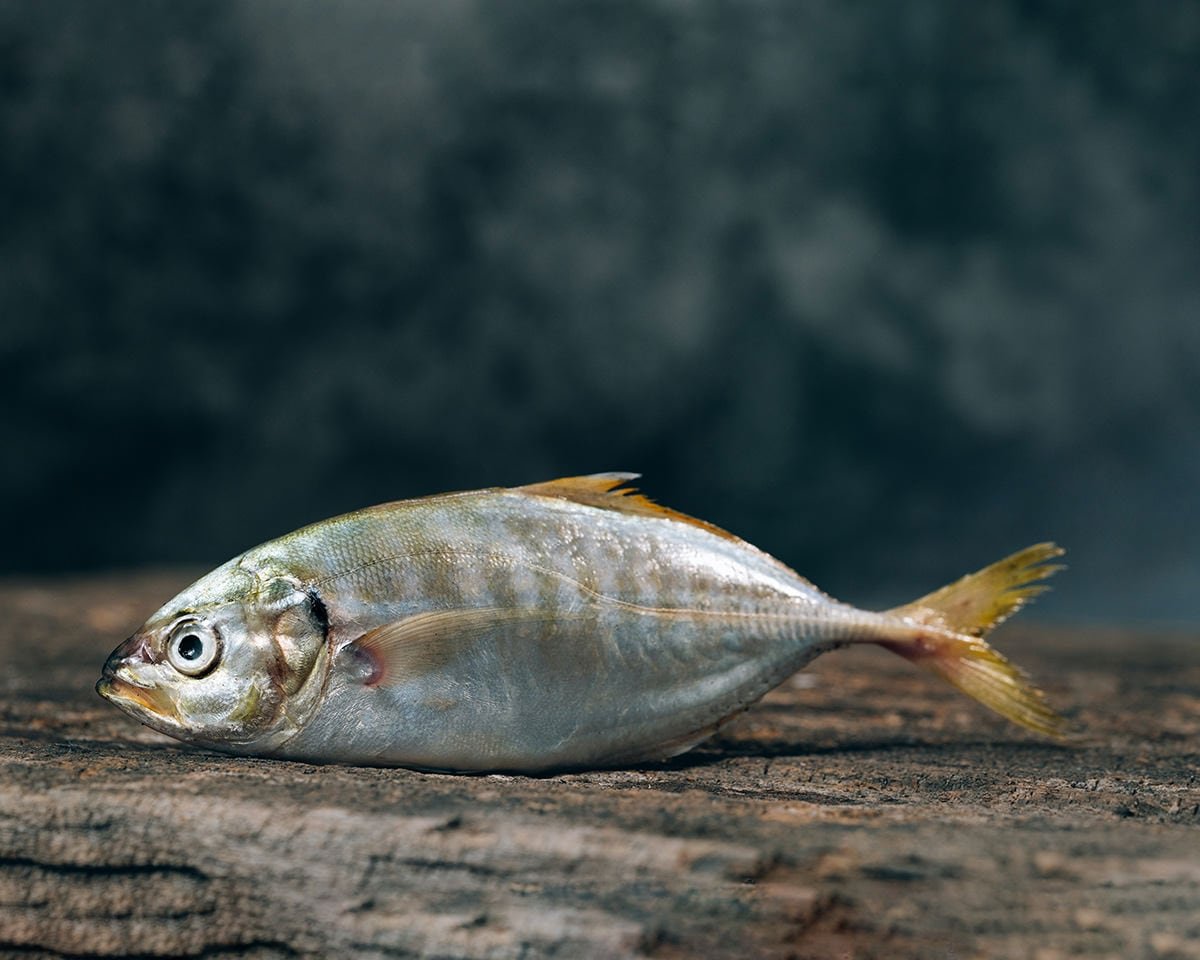
finir en queue de poisson

“Finir en queue de poisson” means to end brutally, or to terminate in a disappointing manner, or not to obtain the expected results. It literally means “to end in a fish tail.” Equivalent English expressions would be “to fizzle out” or “to tail off.” The saying dates back to the 1st century BC, to the Latin poet Horace. He compared a disappointing work of art to a beautiful bust of a woman that ends in a fish tail. More recently, in the 19th century, the novelist and playwright Balzac echoed Horace by writing that some streets in Paris, including rue Montmartre, had a beautiful head that finished in a fish tail.


Don’t miss out on new posts – subscribe now!

Don’t miss new articles!

Get 1 email a week with new articles about French

We don’t spam! Read more in our privacy policy

Similar Posts

  • verb: ranger & se ranger

    Meanings Differences between “Ranger” and “Se Ranger” The primary distinction between “ranger” and “se ranger” is that “ranger” concerns organizing or tidying objects, while “se ranger” relates to individuals or entities taking up a particular position, figuratively or literally. Conjugation in Present Tense and Passé Composé Let’s examine how “ranger” and “se ranger” are conjugated…

  • tenir la jambe

    The French saying “tenir la jambe” means literally “to hold the leg.” What it means figuratively is “to hold someone back or to delay someone by saying lots of boring or irrelevant things to them.” This conjures up images of trying to get away from someone who insists on telling you something, even though you…

  • se taper la cloche

    The word “cloche” means “bell,” but in French slang, it means “head” or sometimes “idiot.” In the middle of the 19th century, this saying meant to get drunk. But by 1900, it had changed to its present meaning, which is to have a good meal, to banquet, to gorge oneself, to thoroughly enjoy (food &…