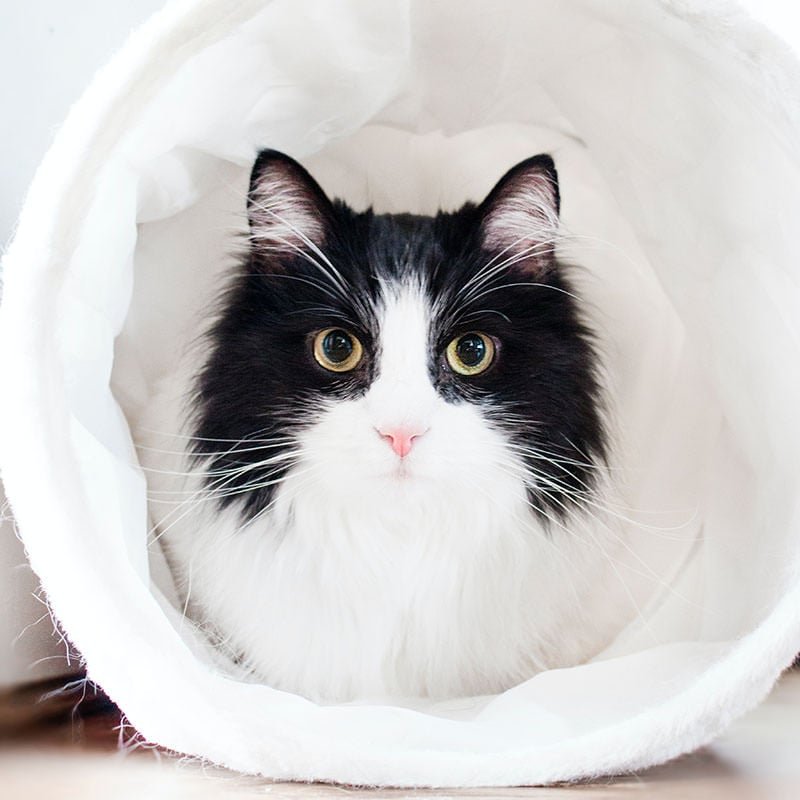
Acheter chat en poche

“Acheter chat en poche” means to buy something without having seen it first and thereby risk disappointment. It means the same as the English saying “to buy a pig in a poke.” Literally it means “to buy a cat in a pocket,” but “poche” in this case means “bag,” not pocket.

The expression dates back to the early 15th century. Vendors would sometimes sell a suckling pig (a piglet) in a bag to unwary buyers. Suckling pigs were expensive delicacies back in the early 1400s and still are today. But instead of a suckling pig, the bag would contain a cat, which was about the same size and certainly no delicacy. Buyers who weren’t prudent enough to check the contents of the bag before buying would be swindled.
Don’t miss out on new posts – subscribe now!

Don’t miss new articles!

Get 1 email a week with new articles about French

We don’t spam! Read more in our privacy policy

Similar Posts

  • Poisson d’avril

    The French idiom “poisson d’avril” literally means “fish of April”, which sounds meaningless and nonsensical. But in fact it refers to the name of any April Fool’s Day joke or prank, carried out on the 1st April in any year. It was first used towards the end of the 17th century, because the word “poisson”…

  • mine de rien

    “Mine de rien” is a popular French expression that is used in everyday conversations. Literally translated, it means “appearance of nothing,” “expression of nothing,” or “look of nothing,” but its true meaning goes beyond its literal interpretation. This expression is often used to describe someone’s behavior or attitude when they are doing something in a…

  • humour vs humeur

    Both “humour” and “humeur” are French nouns. But they mean different things. “L’humour” (masculine) means “the humour” or “the comedy.” It corresponds fairly closely to the English word “humour” (or “humor,” in US English). In French culture, especially cultivated and sophisticated French culture, “wit” was seen as more important. The French idea of “wit” is…

  • | | |

    verb: s’attendre à

    The French verb “s’attendre à” means “to expect” or “to anticipate.” “S’attendre à” vs. “Attendre” The primary difference between “s’attendre à” and “attendre” is that “s’attendre à” is reflexive (or “pronominal” as we say in French) and “attendre” is not. While “attendre” means “to wait for” or “to await,” “s’attendre à” means “to expect” or…