part vs partie
The French nouns “la part” and “la partie” both relate to the idea of a portion or a part of something, but they are used in different contexts and have distinct meanings.
1. La Part
- Meaning: “La part” refers to a share, portion, or slice of something, often in the context of division or distribution. It emphasizes the idea of something being allocated or separated from a whole.
- Usage: It is commonly used when talking about portions of food, shares of responsibility, or parts of a whole that are being divided.
- Examples:
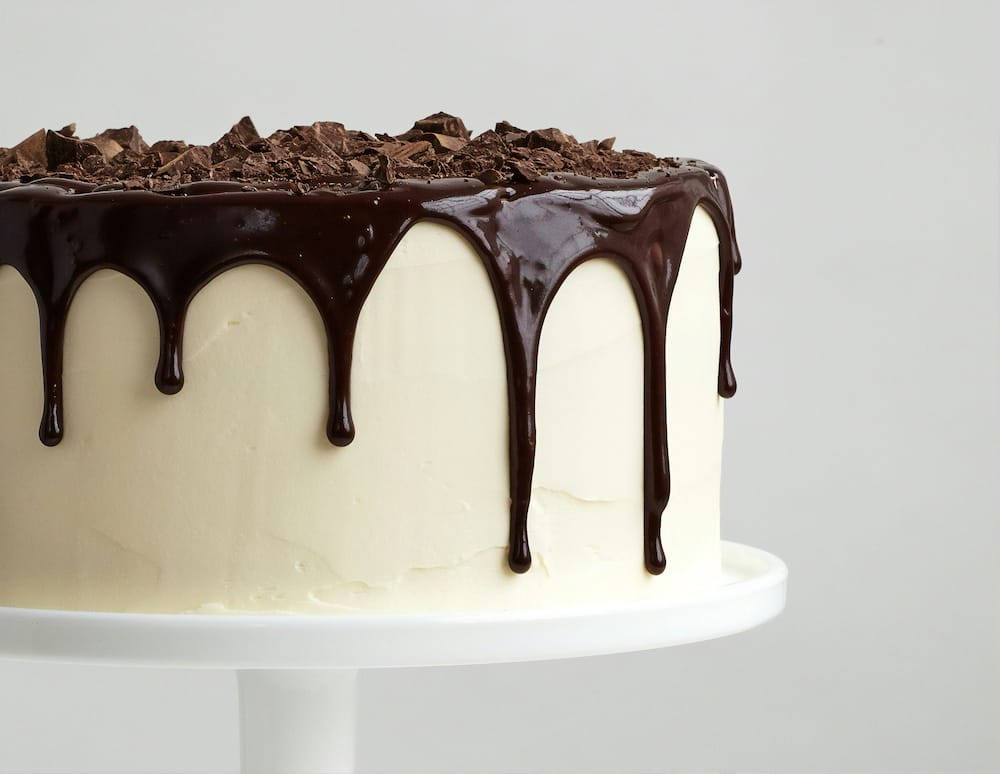
- Je veux ma part du gâteau.
(I want my share of the cake.) - Chacun doit faire sa part du travail.
(Everyone must do their part of the work.) - Il a pris une grande part de la responsabilité.
(He took a large share of the responsibility.) - La part de marché de l’entreprise a augmenté.
(The company’s market share has increased.)
2. La Partie
- Meaning: “La partie” refers to a section, part, or component of something, often in the context of a whole that is made up of distinct elements. It can also refer to a game, match, or activity.
- Usage: It is used when talking about parts of a whole that are not necessarily divided or shared, or when referring to games or activities.
- Examples:
- La partie supérieure de la maison est peinte en bleu.
(The upper part of the house is painted blue.) - Nous avons visité une partie de la ville.
(We visited part of the city.) - Il a gagné la première partie du match.
(He won the first part of the game.) - On fait une partie de cartes ?
(Shall we play a game of cards?)
Key Differences
| Aspect | La Part | La Partie |
|---|---|---|
| Meaning | A share, portion, or slice. | A section, component, or game. |
| Context | Division, distribution, allocation. | Parts of a whole, games, activities. |
| Examples | Une part de gâteau (a slice of cake). | Une partie de la ville (part of the city). |
Common Phrases
- “La part”:
- Prendre part à (to take part in).
Example: Il a pris part à la discussion.
(He took part in the discussion.) - Faire la part des choses (to distinguish between things).
Example: Il faut faire la part des choses.
(We need to distinguish between things.)
- Prendre part à (to take part in).
- “La partie”:
- Partie intégrante (an integral part).
Example: C’est une partie intégrante du projet.
(It’s an integral part of the project.) - Partie de plaisir (a fun activity).
Example: Cette excursion était une vraie partie de plaisir.
(This outing was a real pleasure.)
- Partie intégrante (an integral part).
Summary
- Use “la part” when referring to a share, portion, or slice of something that is divided or allocated.
- Use “la partie” when referring to a section, component, or part of a whole, or when talking about games or activities.