creaking
Both grincer and craquer describe sounds made by objects under stress, but they refer to different types of noise.
Grincer describes a high-pitched, harsh, and often continuous sound . It is the sound of friction between hard, smooth surfaces.
Craquer describes a sharper, shorter, and drier sound. It is often the sound of something breaking, splitting, or snapping under pressure .
Common uses of grincer
Grincer is used for sounds that are shrill and unpleasant.
- Les gonds de la porte grincent. – “The door hinges are creaking.”
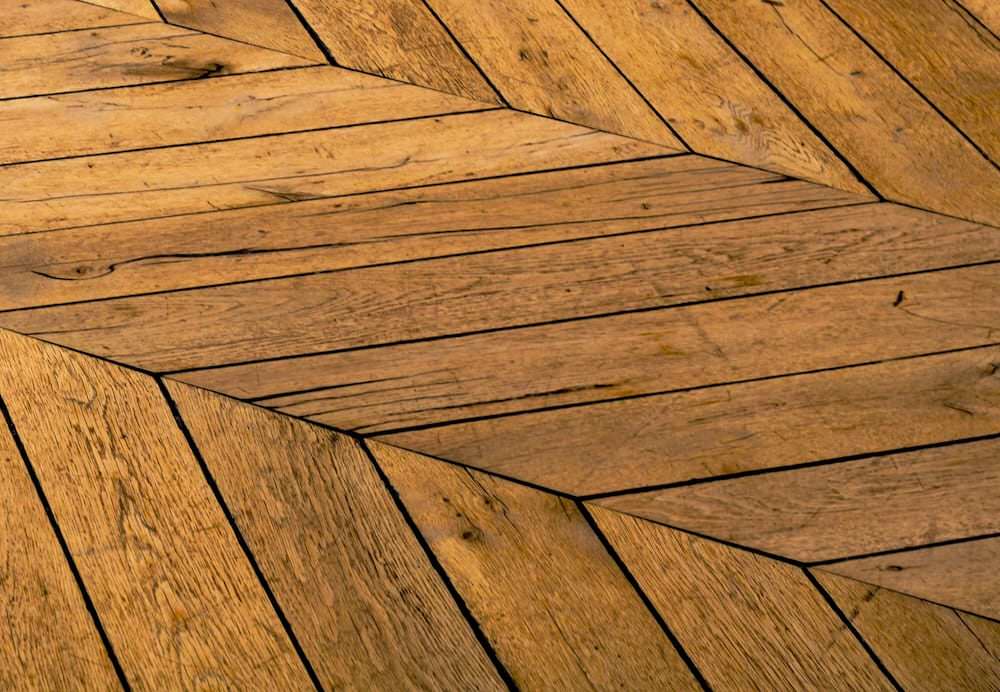
- Le plancher grince sous mes pas. – “The floorboard creaks under my feet.”
- Il grince des dents la nuit. – “He grinds his teeth at night.”
- Les freins de la voiture ont grincé. – “The car brakes squealed.”
- La craie grince sur le tableau. – “The chalk squeaks on the blackboard.”
Common uses of craquer
Craquer is used for sounds that are sudden and dry.
- Le bois sec craque dans la cheminée. – “The dry wood cracks in the fireplace.”
- La glace craque sous le poids. – “The ice is cracking under the weight.”
- J’ai entendu une branche craquer dans la forêt. – “I heard a branch snap in the forest.”
- Les coutures de sa veste ont craqué. – “The seams of his jacket split.”
- Faire craquer ses doigts. – “To crack one’s knuckles.”
The third verb: crisser
A third verb, crisser, sits between grincer and craquer. It describes a high-pitched, continuous sound, like grincer, but it is specifically caused by friction or crushing . While grincer can be used for many types of creaking, crisser is more specific.
Crisser is often the sound of small particles rubbing together.
- Le gravier crisse sous les pneus. – “The gravel crunches under the tyres.”
- La neige crisse sous les pas. – “The snow creaks underfoot.”
- Le sable crisse entre les dents. – “The sand grits between the teeth.”
- Les pneus ont crissé sur l’asphalte. – “The tyres screeched on the asphalt.”
- Sa robe de soie crisse à chaque mouvement. – “Her silk dress rustles with every movement.”
Synonyms and alternatives
Here are other verbs that describe similar sounds:
- Gémir – “To groan” (used for old floorboards, trees in the wind, or furniture).
- Siffler – “To whistle” (for a high-pitched sound, like air escaping).
- Crépiter – “To crackle” (for a series of small, sharp sounds, like a fire).
- Claquer – “To clap” or “to slam” (for a single, sharp noise, like a door).
Summary
- Grincer is for high-pitched, harsh sounds caused by friction.
- Craquer is for short, sharp, dry sounds caused by breaking or snapping.
- Crisser is a more specific term for a high-pitched sound caused by the friction of hard or granular materials.