
Haut comme trois pommes
“Haut comme trois pommes” is a French expression meaning “Knee high to a grasshopper,” ie very small, tiny or very young. Literally it means “as tall as three apples.” Its origin is unknown but its meaning is quite clear.
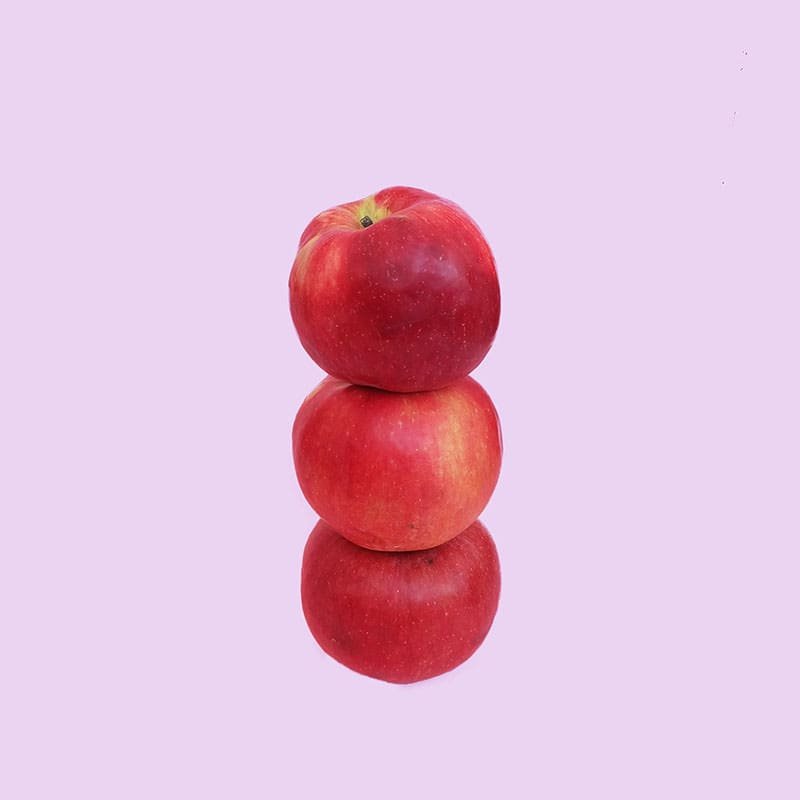
“Haut comme trois pommes” is a French expression meaning “Knee high to a grasshopper,” ie very small, tiny or very young. Literally it means “as tall as three apples.” Its origin is unknown but its meaning is quite clear.
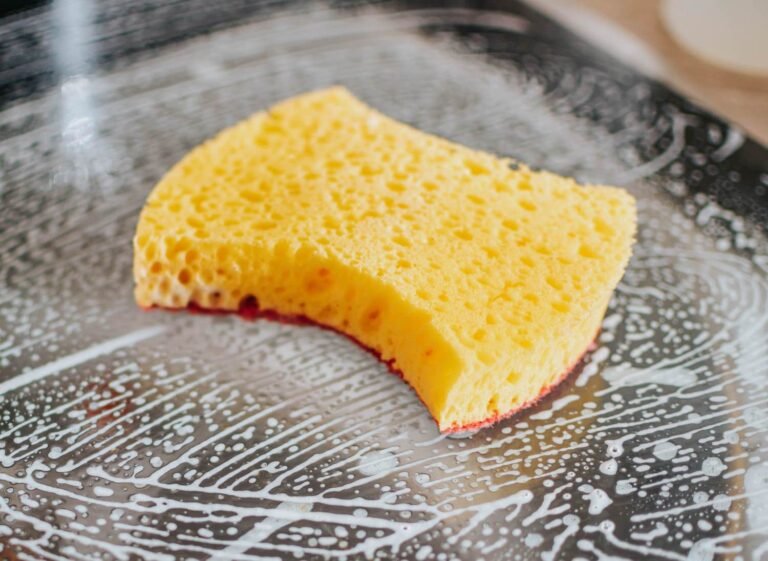
Passer l’éponge means literally to pass the sponge, but in slightly better English it would be to wipe the sponge. The English saying it most closely resembles would be “to wipe the slate clean.” It means to restart from zero, to forgive, or to forget disagreeable acts. The expression dates back to the start of…
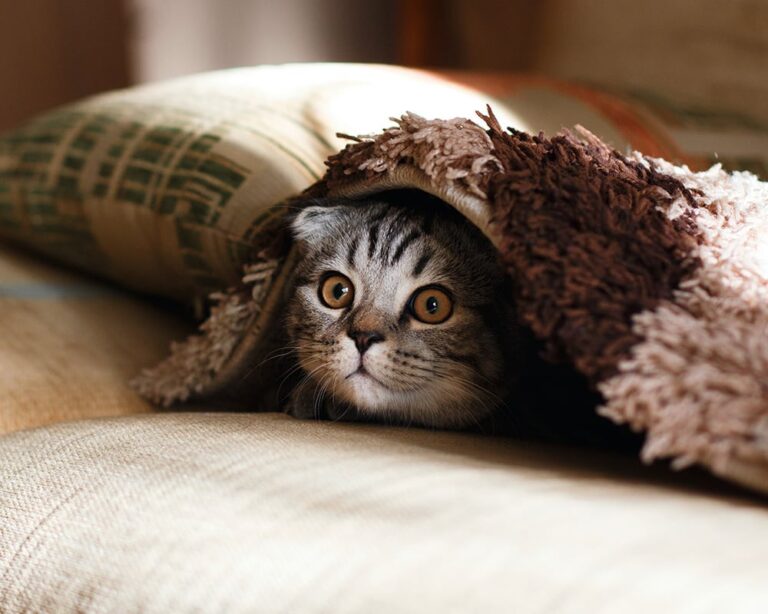
“En catimini” is a French expression that means furtively, stealthily, on the sly or discreetly. It dates back to the second half of the 14th century. The word “catimini” is often linked to the Greek word “katamenia” which means menstruation. The idea being that women of the era kept their menstrual status largely to themselves….
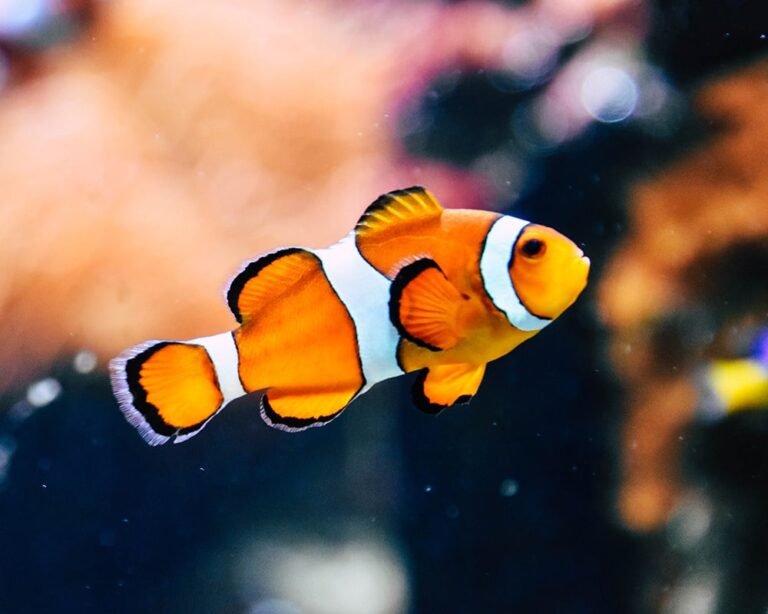
The French idiom “poisson d’avril” literally means “fish of April”, which sounds meaningless and nonsensical. But in fact it refers to the name of any April Fool’s Day joke or prank, carried out on the 1st April in any year. It was first used towards the end of the 17th century, because the word “poisson”…
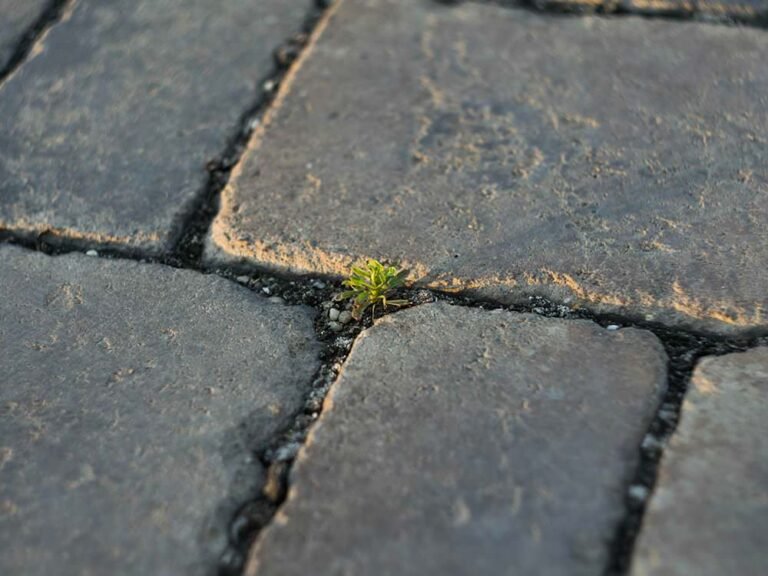
“que dalle” is a French saying that means “nothing” or “nothing at all.” In modern French, “une dalle” is a paving stone, but this has nothing to do with “que dalle.” The origins of this expression are unclear, with a few theories in existence. One is that it comes from the word for a five franc…
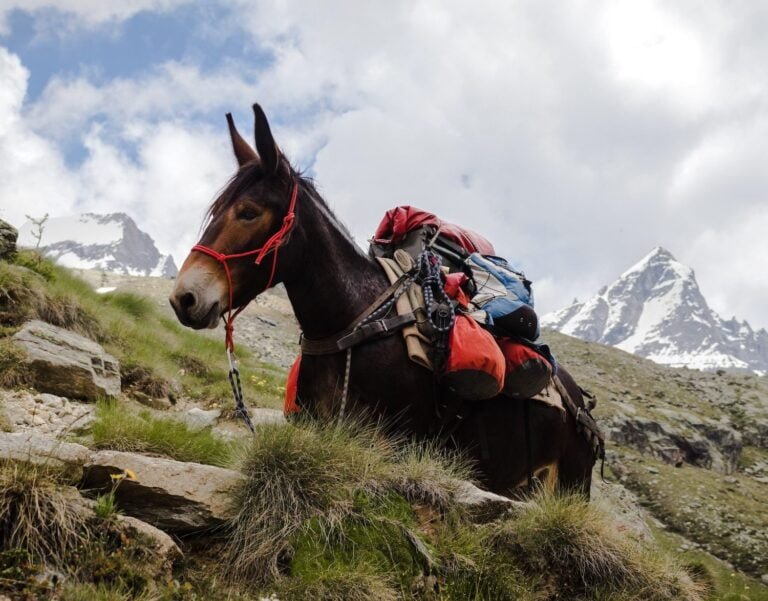
Une bête de somme means a workhorse or a beast of burden. Back in the 12th century, “une somme” meant the load that a horse or a mule could carry. Then, in the 16th century, the term “bête de somme” arrived. These days, the more common word for burden is “un fardeau,” but the term…

“faire la pluie et le beau temps” means to be all powerful, to decide everything, to be the decision maker in a group of people. The French words literally mean “to make rain and nice weather.” It refers to the theoretical ability to control the weather, which would make someone extremely powerful. The saying dates…