en rester comme deux ronds de flan

The French expression “en rester comme deux ronds de flan” is an idiomatic expression that means “to be left speechless,” “to be perplexed,” or “to be stunned.” It is used to describe someone who is so surprised or shocked by something that they are unable to respond or react.

Some believe that the origin of this expression dates back to the 16th century. It comes from the word “flan” which then meant a metal disk used to make coins. The expression refers to the round eyes of a perplexed person.

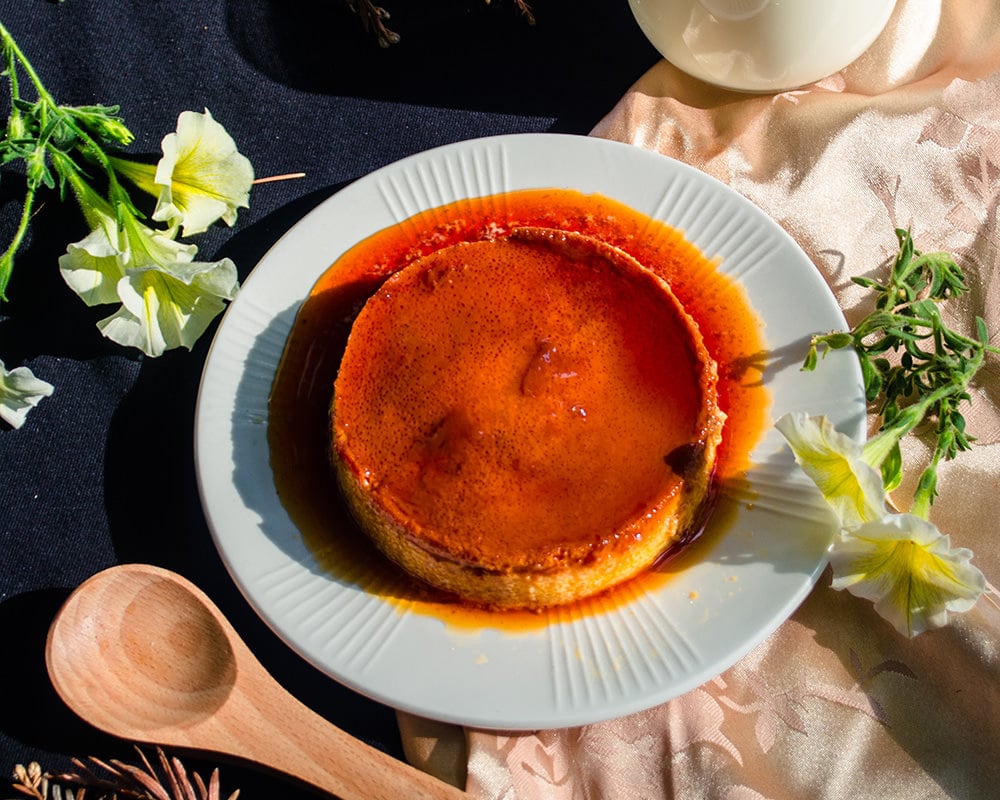
Others believe the expression dates from the end of the 19th century, when “rond” was a slang term for money and “flan” was a cheap and popular alternative to the baba, a type of patisserie.
Don’t miss out on new posts – subscribe now!

Don’t miss new articles!

Get 1 email a week with new articles about French

We don’t spam! Read more in our privacy policy

Similar Posts

  • à bâtons rompus

    This phrase means “without continuity,” “with frequent interruptions,” “in a disordered fashion,” “informal,” or “in an irregular way.” The origins of this French expression are shrouded in mystery. Some believe it comes from a traditional tapestry design that contained an irregular mix of sticks or long, thin rectangular shapes. It is more likely that this…

  • rabattre le caquet à

    The French expression “rabattre le caquet à” is commonly used to describe the act of putting someone in their place or silencing someone who is overly boastful or talkative. Literal meaning: Literally, “rabattre le caquet” could be translated as “to silence chatter” or “to shut a noisy hen’s beak.” The imagery is quite vivid: one…

  • beau comme un camion

    The literal translation of “beau comme un camion” is “beautiful as a truck.” On the surface, this phrase appears to be an ironic or humorous comparison. After all, trucks are not typically associated with beauty. Instead, they are functional vehicles designed for transporting goods. This expression is used to describe a person, typically a woman,…