danser devant le buffet

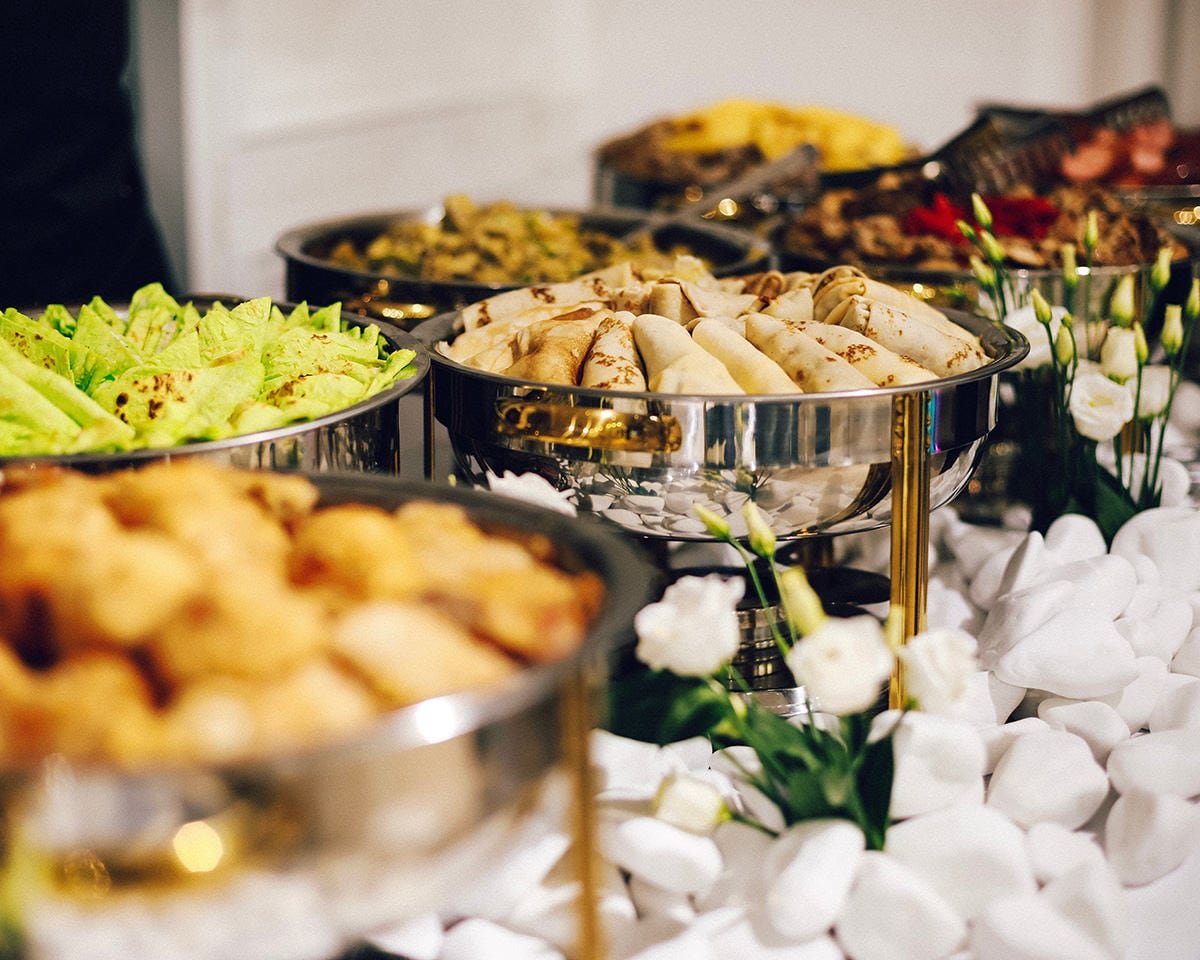
The French idiom “danser devant le buffet” means to have no food or to have nothing to eat. Literally, it translates as “to dance in front of the sideboard.” This expression comes from a play on words dating back to the end of the 18th century. From the 16th to the 18th century, the verb “fringaler” mean “to dance.” Fringaler was a combination of “fringuer” which is mean to jump and of “galer” which mean to rejoice. And “la fringale” is a slangy expression meaning “hunger.” So the combination of “fringuer” and “galer” made “frangaler,” which was a pun based on “la fringale,” the hunger. Hence the idea of dancing before an empty buffet came to mean hunger in general.


Don’t miss out on new posts – subscribe now!

Don’t miss new articles!

Get 1 email a week with new articles about French

We don’t spam! Read more in our privacy policy

Similar Posts

  • recevoir une avoinée

    “Recevoir une avoinée” is a French saying that means “to receive a correction, to get beaten or to get hit.” English equivalents would include “to get a licking” or “to take a thrashing.” It comes from the word “‘l’avoine,” meaning “oat.” Oats were used as feed for horses. The expression “l’avoine de cocher” from 1866 meant…

  • faire long feu

    The French idiom “faire long feu” literally translates as “to make long fire.” What it really means is “to drag on,” “to not have the desired effect,” “to last longer than expected” or “to miss your goal.” It comes from the era of of muzzle-loading rifles, before the invention of waterproof cartridges that enclosed the…

  • bec et ongles

    The French saying “bec et ongles” derives its origin from the Latin expression “rostrum et unguibus,” which also means “beak and nails.” This ancient phrase refers to the beak, symbolizing the fierceness and determination of a bird, and the nails, representing strength and tenacity. Throughout history, birds have often been associated with bravery and courage,…

  • manger sur le pouce

    The French saying “manger sur le pouce” translates literally as “to eat on the thumb.” Figuratively, however, it means “to eat quickly,” “to eat rapidly,” or “to eat hastily.” It dates back to the 19th century. People like factory workers and soldiers often ate on the spot, with one hand holding a piece of bread…