habitude & d’habitude
The French language is full of nuanced words and expressions that convey precise meanings. Among these, habitude and the related expression d’habitude are widely used to describe habits, customs, and typical routines. In this article, we’ll explore their meanings, usage, and even a common conversational shortcut, d’hab.
1. The Noun “Habitude”
Definition and Meaning
The noun habitude is feminine (une habitude) and translates to “habit” or “custom” in English. It refers to a repeated action or behavior that becomes second nature over time. It can describe personal habits or societal customs.
Grammatical Gender
As habitude is feminine, all articles and adjectives that modify it must agree:
- Singular: une habitude (a habit)
- Plural: des habitudes (habits)
Examples of Usage
- J’ai pris l’habitude de méditer chaque matin.
(I’ve developed the habit of meditating every morning.) - Les habitudes culturelles varient beaucoup selon les régions.
(Cultural customs vary greatly depending on the region.) - Il a du mal à se débarrasser de ses mauvaises habitudes.
(He struggles to get rid of his bad habits.)
Common Expressions with “Habitude”
- Par habitude — out of habit
- Elle prend toujours la même route par habitude.
(She always takes the same route out of habit.)
- Elle prend toujours la même route par habitude.
- Prendre l’habitude de — to get into the habit of
- Nous avons pris l’habitude de marcher après dîner.
(We’ve gotten into the habit of walking after dinner.)
- Nous avons pris l’habitude de marcher après dîner.
- Avoir l’habitude de — to be accustomed to
- Ils ont l’habitude de se lever tôt.
(They’re used to getting up early.)
- Ils ont l’habitude de se lever tôt.
2. The Expression “D’habitude”
Definition and Meaning
The expression d’habitude means “usually,” “normally,” or “as a rule.” It’s an adverbial phrase that indicates regular or typical occurrences.
Examples of Usage
- D’habitude, je prends un café après le déjeuner.
(I usually have a coffee after lunch.) - D’habitude, il est très calme, mais aujourd’hui, il est stressé.
(He’s usually very calm, but today he’s stressed.) - D’habitude, nous passons Noël en famille.
(We usually spend Christmas with family.)
Position in a Sentence
- At the beginning:
D’habitude, elle arrive à l’heure.
(Usually, she arrives on time.) - In the middle:
Il est, d’habitude, très gentil.
(He is usually very kind.)
3. Shortcut: “D’hab” in Everyday Conversation
In casual, spoken French, d’habitude is often shortened to d’hab for convenience. This abbreviation is informal and common in everyday speech but should be avoided in formal writing or conversations.
Examples of Usage with “D’hab”
- D’hab, tu fais quoi le samedi soir ?
(What do you usually do on Saturday evenings?) - Il est plus calme que d’hab aujourd’hui.
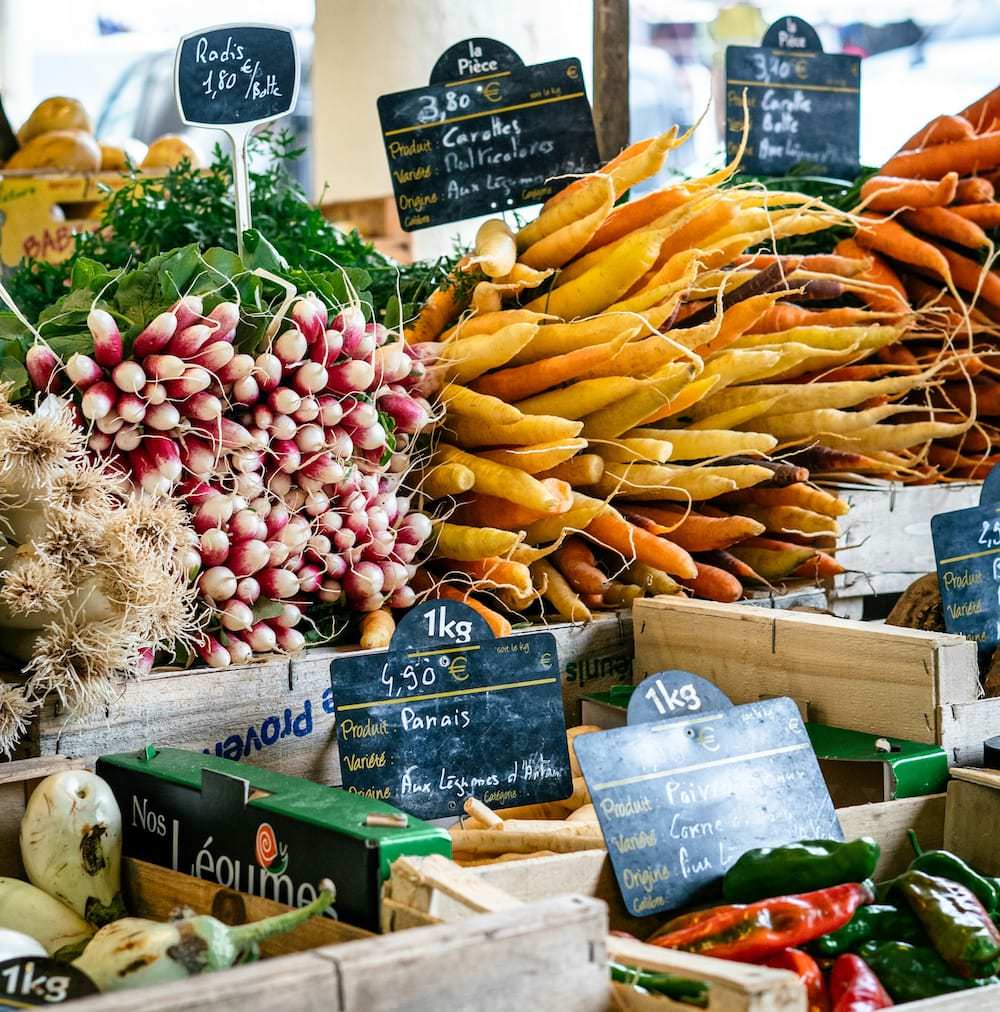
(He’s calmer than usual today.) - D’hab, on va au marché le dimanche matin.
(We usually go to the market on Sunday mornings.)
When to Use “D’hab”
Use d’hab only in relaxed settings with friends, family, or close acquaintances. If in doubt, stick to the full d’habitude.
4. Key Differences Between “Habitude” and “D’habitude”
Here’s a quick comparison to clarify their usage:
| Aspect | Habitude | D’habitude / D’hab |
|---|---|---|
| Part of Speech | Noun | Adverbial expression |
| Meaning | A habit or custom | Usually, normally |
| Example | J’ai une mauvaise habitude. (I have a bad habit.) | D’habitude, je vais courir. (I usually go running.) |
5. Cultural and Practical Insights
Cultural Relevance
The word habitude often reflects deeper societal or cultural practices, such as:
- Les habitudes alimentaires des Français incluent souvent du pain et du vin.
(French eating habits often include bread and wine.)
Practical Tip
Learning when to use d’hab versus d’habitude can help you sound more natural in conversation while still maintaining clarity and appropriateness.
6. Exercises for Practice
- Translate the following sentences into French:
- “I’m used to eating dinner early.”
- “Usually, they arrive at 8 p.m.”
- “Out of habit, she writes in her journal every night.”
- Create two sentences using habitude and two sentences using d’habitude. Try replacing one d’habitude with d’hab for a more conversational tone.