chant, champs
In French, chant and champs are perfect homophones. They are pronounced the same way: /ʃɑ̃/ (like “shahn” in English, but nasalized).
1. Chant (Song, Singing)
- Le chant des oiseaux est apaisant. (The singing of birds is soothing.)
- Son chant était si beau qu’il a ému toute la salle. (His singing was so beautiful that it moved the entire audience.)
- Nous avons appris un nouveau chant à l’école. (We learned a new song at school.)
Difference Between “Chant” and “Chanson”
While both words relate to music, they are used differently:
- Chant refers to the act of singing or a type of song, often religious, poetic, or traditional.
- Le chant grégorien est une forme de musique liturgique. (Gregorian chant is a form of liturgical music.)
- Son chant était rythmé et mélodieux. (His singing was rhythmic and melodious.)
- Chanson specifically means a “song” in the modern sense, typically with lyrics and music.
- Cette chanson passe souvent à la radio. (This song often plays on the radio.)
- J’adore les chansons françaises classiques. (I love classic French songs.)
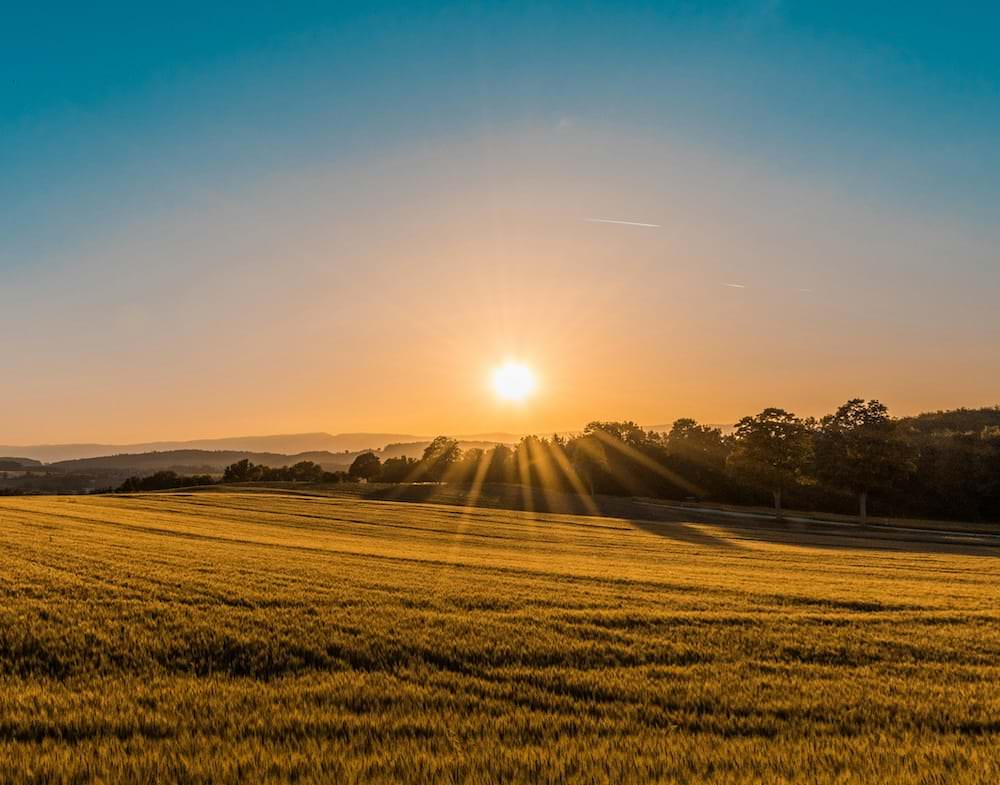
2. Champs (Fields)
- Les agriculteurs cultivent les champs de blé. (Farmers cultivate wheat fields.)
- Les enfants couraient dans les champs sous le soleil. (The children ran through the fields under the sun.)
- Au printemps, les champs sont recouverts de fleurs sauvages. (In spring, the fields are covered with wildflowers.)