cutting bread & cheese
France is renowned for its rich culinary traditions, where even the simplest acts—like slicing bread or serving cheese—are governed by time-honored etiquette. Whether you’re enjoying a rustic meal or a formal dinner, knowing how to properly cut a baguette or serve cheese can make all the difference.
The Sacred Baguette: Never Cut with a Knife
One of the most iconic French foods, the baguette, comes with its own set of rules:
- Tear, Don’t Slice – Traditionally, a baguette should be broken by hand, not cut with a knife. This practice dates back to when workers and peasants would tear bread to avoid dirtying utensils.
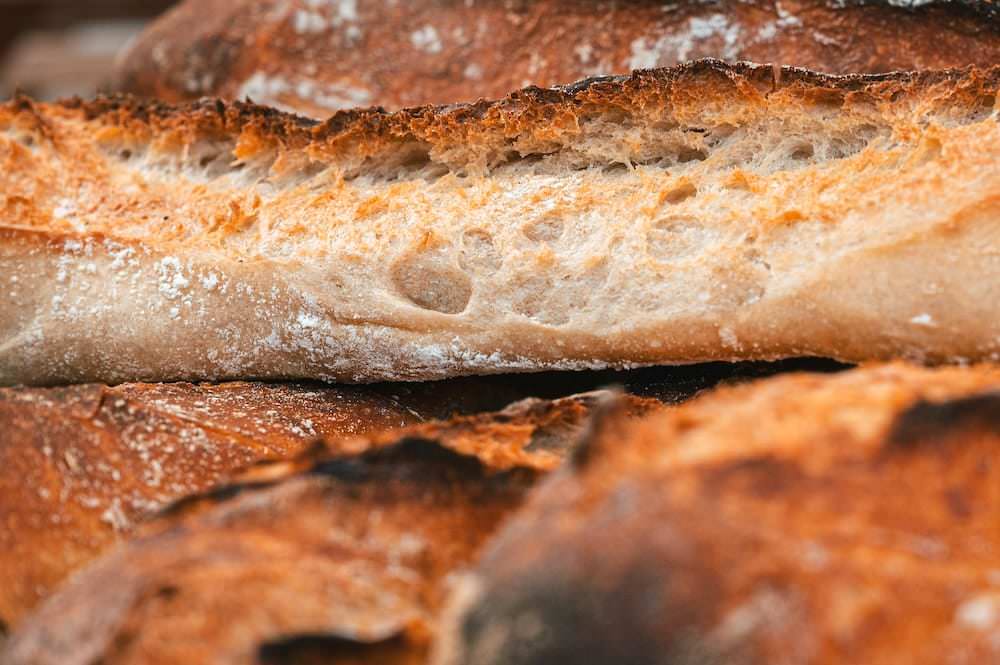
- The Sound Matters – A perfect baguette should have a crisp, crackling crust when torn—something a knife can’t replicate. Cutting it may also compress its airy interior.
- Exception for Formal Settings – In upscale restaurants or dinner parties, pre-sliced baguette may be served, but purists still prefer the hand-torn method.
Pro Tip: Never place a baguette upside-down on the table—it’s considered bad luck (a superstition tied to medieval executioners’ bread).
French Cheese Etiquette: Cutting with Respect
In France, cheese is treated with reverence, and how you slice it matters. Each type has its own rules to ensure fair portions and preserve flavor.
How to Cut Different Cheese Shapes
Round Cheeses (Brie, Camembert)
- Cut like a pie, in triangular wedges from the center outward.
- Never take just the creamy middle (the “nose” or le nez)—this is seen as greedy.
Log-Shaped Cheeses (Chèvre, Sainte-Maure)
- Slice crosswise into rounds to distribute the rind evenly.
Square or Rectangular Cheeses (Comté, Mimolette)
- Cut into thin rectangular slices (like a block of butter).
Pyramid Cheeses (Valençay)
- Slice horizontally to maintain the shape.
Cheese Cutting Faux Pas to Avoid
- Using the wrong knife – Soft cheeses need a wide blade, while hard cheeses require a sturdy knife (or even a wire for very soft varieties).
- Leaving the rind uneaten – Unless it’s inedible (like wax-coated Gouda), the rind is part of the experience.
Bonus French Dining Customs
- Wine Pouring: Always serve others before yourself in a formal setting.
- Salad: Traditionally, lettuce should be folded with a fork and knife, not cut.
- Bread Plate: Place bread directly on the table, not on a formal plate (a custom dating back to medieval times).
Why These Rules Matter
French food etiquette isn’t just about tradition—it’s about respect for craftsmanship, communal dining, and savoring each ingredient properly. While modern French diners may not always follow these rules strictly, knowing them enhances the dining experience and shows appreciation for French gastronomy.