nid-de-poule
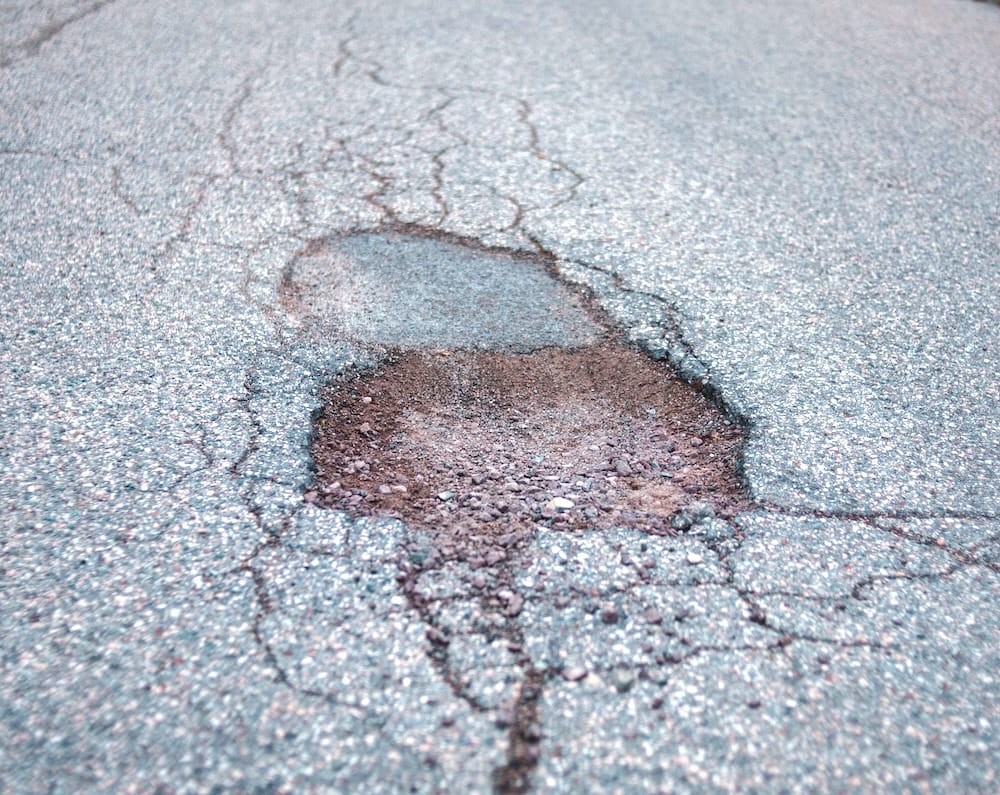
The French term nid-de-poule means “hen’s nest” when translated word for word. It is the common name for a pothole—a hole or depression that forms in a road surface, often caused by water damage and vehicle traffic.
Why “hen’s nest”?
The name comes from the shape and size of the hole. When roads wear and break up from water and heavy use, the damage often looks like a circular or roughly round depression, similar to the shallow nests that hens make in dirt. The hole is typically deeper in the centre and shallower toward the edges, which makes the comparison apt. Over time, the term nid-de-poule became the standard French name for this common road problem.
This is a purely descriptive name, not a metaphor with hidden meaning. The French simply looked at the holes and saw a likeness to a hen’s nest. It is practical and visual, like many French terms for common things.
How it is used
The word is used in French much as “pothole” is used in English—to describe the holes themselves and to talk about road damage. It can be both a noun and part of phrases about road conditions.
Here are some common uses:
- Il y a un gros nid-de-poule dans la rue. “There is a big pothole in the street.”
- La route est pleine de nids-de-poule. “The road is full of potholes.”
- Attention au nid-de-poule! “Watch out for the pothole!”
- Les nids-de-poule causent des dégâts aux voitures. “Potholes cause damage to cars.”
- La mairie doit réparer les nids-de-poule. “The town hall must fix the potholes.”
- Mon vélo a heurté un nid-de-poule. “My bike hit a pothole.”
- Les nids-de-poule sont plus courants en hiver. “Potholes are more common in winter.”
The plural is nids-de-poule (or sometimes written nids de poule). When used as an adjective, it describes something as full of potholes or damaged by potholes.
Synonyms and related terms
While nid-de-poule is the most common French term for a pothole, other words exist in French-speaking regions:
- Ornière – a rut or groove in the road, often caused by wheels or water erosion. This is wider and longer than a pothole but describes similar road damage.
- Trou – simply “hole.” This is a plain, direct word that can refer to any hole, including potholes, but is less specific than nid-de-poule.
- Dégradation – deterioration or damage to the road surface. This is a general term for road wear and is not specific to potholes.
- Défaut de chaussée – a defect in the roadway. This is more formal and technical than nid-de-poule and is often used in official documents or by road engineers.
In different French-speaking countries and regions, usage varies slightly. In Belgium and Switzerland, nid-de-poule is also the standard term. In Quebec, the term is used but chaussée endommagée (damaged road surface) is also common.
Why the term matters
The French name nid-de-poule is more colourful and vivid than the English “pothole.” It paints a picture—most people who know chickens can picture a hen’s shallow nest in the dirt. The English word “pothole” is more abstract and less visual. The French term says something about how the French language often names things by what they look like rather than by what they do, which is one mark of the language.
Drivers in France, Belgium, and French-speaking Switzerland all know the term nid-de-poule from a young age. It is used in news reports about road conditions, in signs warning of damaged roads, and in everyday talk about traffic and travel. Road workers and city planners use it as the standard term in their reports and plans.
Summary
The French word nid-de-poule comes from the literal meaning “hen’s nest” because potholes resemble the shallow nests that hens make in dirt. It is the standard French term for a pothole and is used throughout French-speaking regions. The word is purely descriptive, based on the visual likeness between the road damage and the bird’s nest, with no hidden figurative meaning. While other French terms for road damage exist, nid-de-poule remains the most common and widely understood name for this common problem.