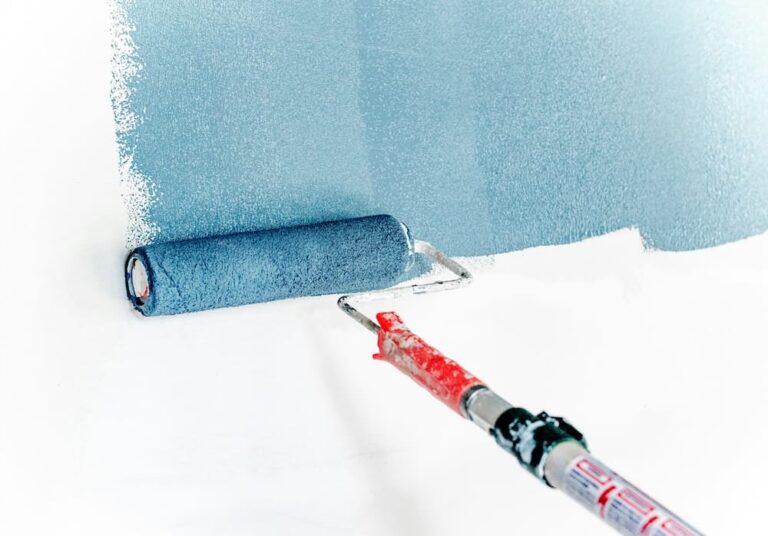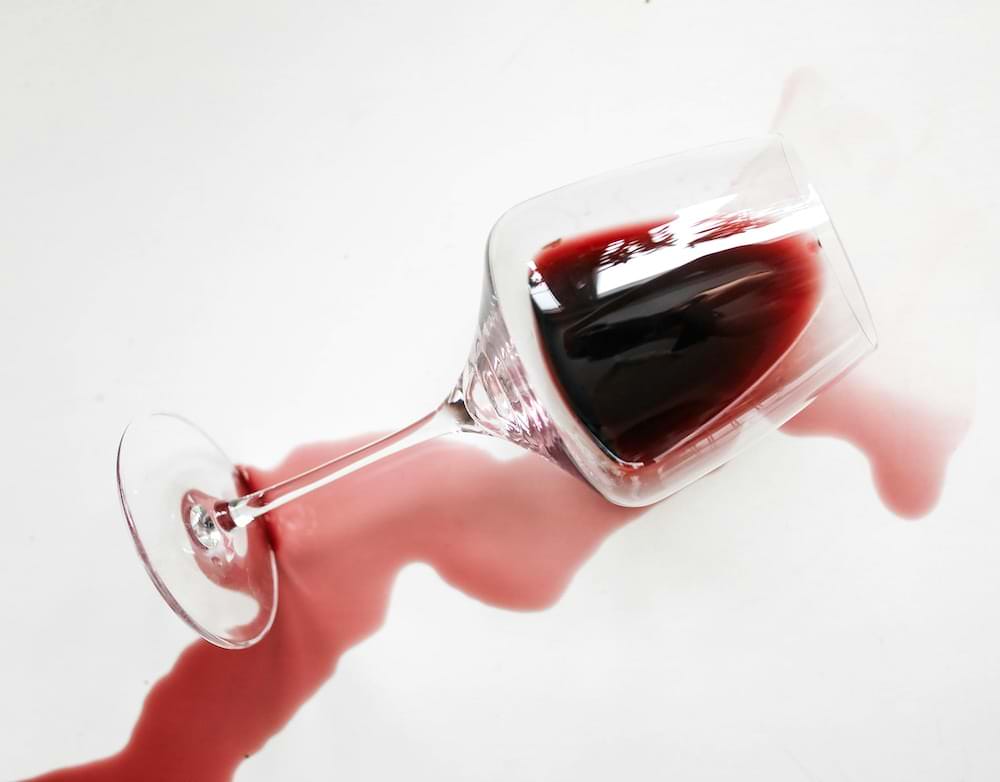
tache, tâche
The French nouns “tache” and “tâche”, as well as the verbs “tacher” and “tâcher” have totally different meanings. The only spelling difference is the presence or absence of a single accent.
“Tache” (without circumflex) and “tacher”
“Tache” (noun)
- Meaning: “Tache” (without the circumflex) means “stain,” “spot,” or “mark.” It is typically used to refer to a physical blemish or discoloration.
- Gender: Feminine (une tache)
- Examples of usage:
- “Il y a une tache de vin sur ta chemise.”
(“There is a wine stain on your shirt.”) - “Les taches de rousseur sur son visage sont adorables.”
(“The freckles on her face are adorable.”)
- “Il y a une tache de vin sur ta chemise.”
“Tacher” (verb)
- Meaning: The verb “tacher” means “to stain” or “to dirty.” It refers to the action of leaving a mark or spot on something.
- Conjugation pattern: Regular -ER verb
- Examples of usage:
- “Ne tache pas la nappe avec ton café.”
(“Don’t stain the tablecloth with your coffee.”) - “Elle a taché sa robe avec du chocolat.”
(“She stained her dress with chocolate.”)
- “Ne tache pas la nappe avec ton café.”
Etymology of “tache” and “tacher”
- Origin: Both words come from the Old French “tache”, meaning “spot” or “blemish,” which in turn originated from the Late Latin “taca” or “tacca” (a stain or spot). This Latin term is thought to have Celtic roots.
- Historical context: The meaning of a physical mark or stain has remained consistent from its Latin origin to its modern French usage.
“Tâche” (with circumflex) and “tâcher”
“Tâche” (noun)
- Meaning: “Tâche” (with the circumflex) means “task,” “job,” or “duty.” It refers to an assignment or responsibility, often involving effort or obligation.
- Gender: Feminine (une tâche)
- Examples of usage:
- “J’ai une tâche importante à terminer avant ce soir.”
(“I have an important task to finish before tonight.”) - “Ses tâches quotidiennes incluent le nettoyage et la cuisine.”
(“Her daily chores include cleaning and cooking.”)
- “J’ai une tâche importante à terminer avant ce soir.”
“Tâcher” (verb)
- Meaning: The verb “tâcher” means “to try” or “to endeavor.” It is usually followed by the preposition “de” and an infinitive verb, indicating an effort or attempt to do something.
- Conjugation pattern: Regular -ER verb
- Examples of usage:
- “Je vais tâcher de finir ce projet à temps.”
(“I will try to finish this project on time.”) - “Tâche de ne pas oublier ton rendez-vous demain.”
(“Try not to forget your appointment tomorrow.”)
- “Je vais tâcher de finir ce projet à temps.”
Etymology of “tâche” and “tâcher”
- Origin: These words come from the Latin “taxa”, meaning “charge” or “duty,” which itself is derived from “taxare” (to assess or estimate). The circumflex in “tâche” is a historical remnant, indicating the disappearance of an ‘s’ in Old French (from “tasche”).
- Historical context: This etymology explains the association with duty, responsibility, and effort, which has persisted through to modern usage.
Summary of differences and tips for remembering
To avoid confusion between these words, remember the following distinctions:
| Word | Meaning | Part of speech | Example sentence |
|---|---|---|---|
| Tache | Stain, spot, mark | Noun | “Il y a une tache de café sur ta chemise.” |
| Tacher | To stain, to dirty | Verb | “Elle a taché sa robe avec du chocolat.” |
| Tâche | Task, duty, job | Noun | “J’ai une tâche à terminer avant ce soir.” |
| Tâcher | To try, to endeavor | Verb | “Il va tâcher de venir à l’heure.” |
Mnemonic tips:
- No circumflex = physical mark:
- Tache → Spot or stain (Think of a coffee stain: no accent, just a mess)
- Tacher → To stain or dirty (Physical action, no accent)
- With circumflex = effort or responsibility:
- Tâche → Task or duty (Circumflex = complexity or obligation)
- Tâcher → To try or endeavor (Circumflex = striving or effort)
- Remember that a circumflex accent often hides a missing “s” in French. Eg, forêt was originally spelled forest, which gives you the English meaning of the word. As mentioned above, tâche was previously spelled tasche in Old French, about 800 years ago. It was also spelled as tasque in Old North French, which is where the English word “task” comes from. In medieval Latin, it was spelled as tasca.
Practice exercises
To reinforce your understanding, try completing the following sentences:
- Il a __________ sa chemise en renversant du vin.
- J’ai une __________ difficile à accomplir aujourd’hui.
- Elle va __________ de terminer son travail avant midi.
- Il y a une grosse __________ de peinture sur le mur.
Answers:
- taché (from tacher – to stain)
- tâche (task)
- tâcher (to try)
- tache (stain)