il y a
The French phrase “il y a” means “there is” or “there are.” It covers both singular and plural.
- il y a un homme (there is a man)
- il y a des hommes (there are men)
“il y a” versus “c’est”
“Il y a” is often used for situations where you can’t see the thing being talked about. Eg “there is a bike in the garden” (when you’re not in the garden), or “there is another star in the galaxy” (when you’re not looking at stars).
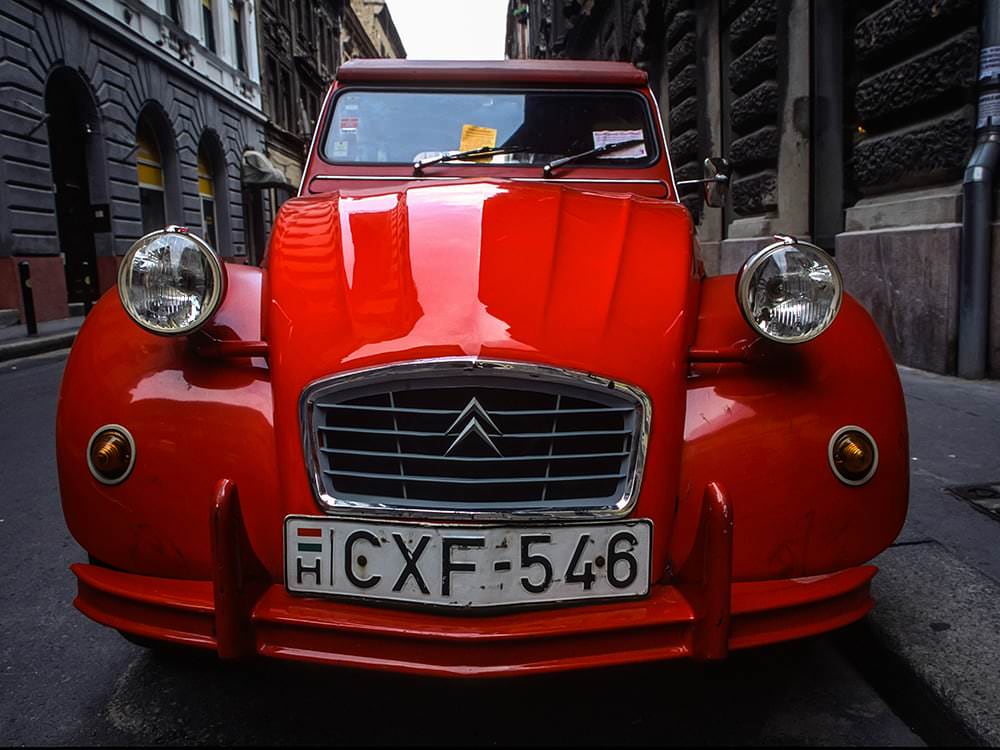
“C’est” (it is) is often used when you can see what you’re talking about. “C’est magnifique !” (it’s magnificent) might be used when you see a car or house that impresses you.
This is not a hard and fast rule about being able to see or not to see something. It is just a way to help you to understand the different between “il y a” and “c’est.”
Construction
“Il y a” is made of three words. “il” normally means “he,” but here means “it.” The “y” means “there,” and the “a” means “has,” from the present tense of the verb “avoir.” So literally it means “it there has,” but translates to “there is” or “there are.”
Questions
- Y a-t-il quelque chose ? (is there something?)
- Est-ce qu’il y a quelque chose ? (is there something?)
- Il y a quelque chose ? (there is something?) [said with rising intonation]
- Pourquoi n’y a-t-il pas de réponse ? (why is there no answer?)
- Y a-t-il quelqu’un qui sait ? (is there someone who knows?)
- Est-ce qu’il y a quelqu’un qui sait ? (is there someone who knows?)
- Il y a quelqu’un qui sait ? (there is someone?) [said with rising intonation]
Other tenses
- il y a – there is, there are (present / présent)
- il y avait – there was, there were, there used to be, there was being (imperfect / imparfait)
- il y a eu – there has been, there have been, there was, there were (past / passé composé)
- il y avait eu – there had been (pluperfect / plus-que-parfait)
- il y aura – there will be (future / futur simple)
- il y aura eu – there will have been (futur antérieur / future perfect)
- il y aurait – there would be (present conditional / conditionnel présent)
- il y aurait eu – there would have been (past conditional / conditionnel passé)
Spoken French
Ideally, “il y a” is pronounced as written, which is EEL EE AH or EEL EE YAH. However it is often abbreviated in casual, spoken French to “y a,” where the word “il” virtually disappears. This sounds like YAH. Eg “il y a un problème” (there is a problem) can be said “y a un problème” which sounds like YAH UNH PRO BLEM.