
Haut comme trois pommes
“Haut comme trois pommes” is a French expression meaning “Knee high to a grasshopper,” ie very small, tiny or very young. Literally it means “as tall as three apples.” Its origin is unknown but its meaning is quite clear.
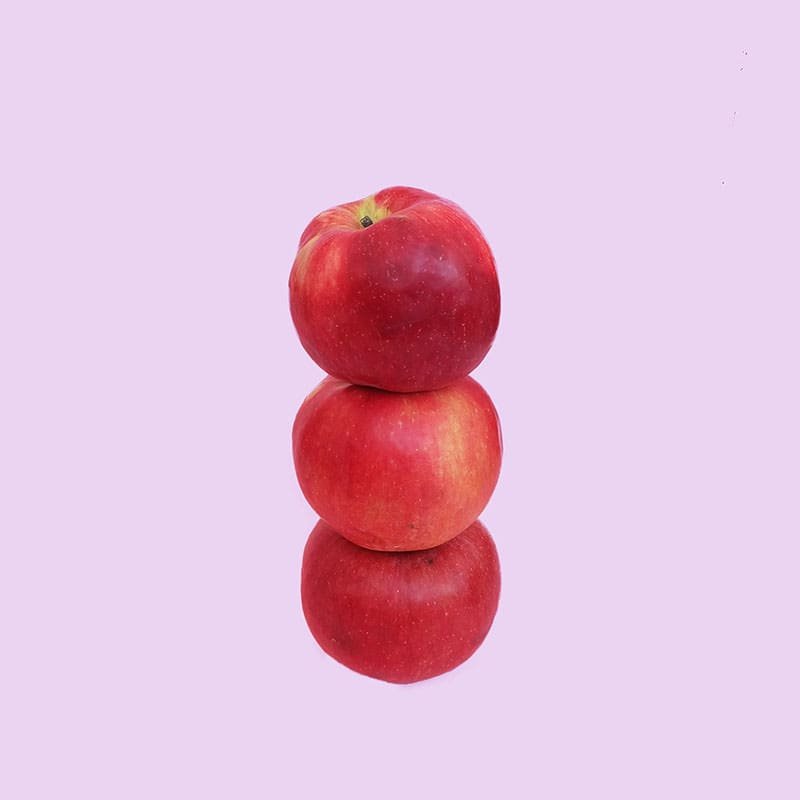
“Haut comme trois pommes” is a French expression meaning “Knee high to a grasshopper,” ie very small, tiny or very young. Literally it means “as tall as three apples.” Its origin is unknown but its meaning is quite clear.

The French expression “tomber des nues” translates literally as “to fall from the clouds.” “Les nues” is a feminine plural noun meaning “the clouds” or “the heavens.” It is not used these days, except in a literary sense. The modern word for clouds is “les nuages” and for heavens it is “le ciel” or “le paradis.”…

This French expression means “to go window shopping.” However it translates literally as “to do some lick-window.” This phrase comes from the idea that the window shopper is standing so close to the window and gazing in with such pleasure that it looks like she is licking the window. The idiom first appeared in the 20th…
“Faire en sorte que” is a versatile French expression that often challenges language learners because it doesn’t have a direct word-for-word translation in English. Literal Translation The expression breaks down as: So literally, it means “to make in such a way that” or “to do in such a manner that.” Figurative Translations In practical usage,…

The French idiom “aller à la selle” means literally “to go to the saddle.” But it doesn’t really have anything to do with horse riding. What it literally means is “to go to the toilet,” or “to have a bowel movement.” The saying is somewhat dated, so it is not used very frequently these days,…
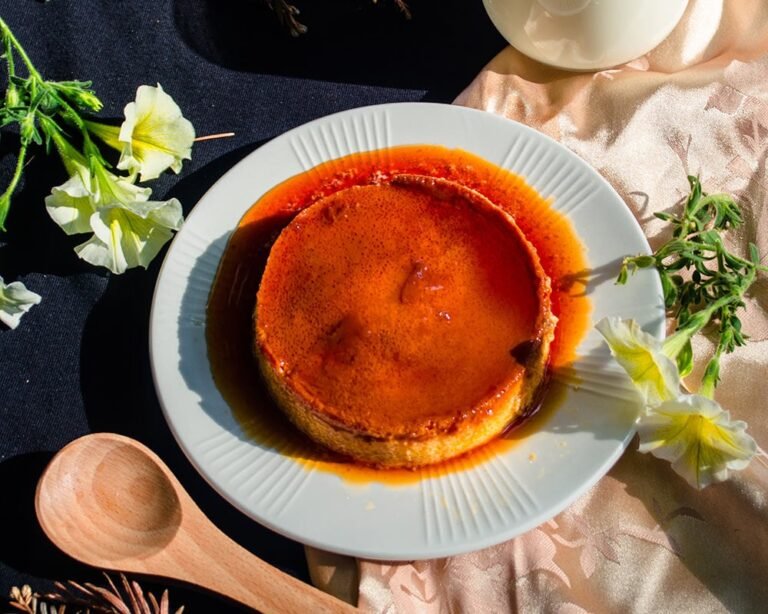
The French expression “en rester comme deux ronds de flan” is an idiomatic expression that means “to be left speechless,” “to be perplexed,” or “to be stunned.” It is used to describe someone who is so surprised or shocked by something that they are unable to respond or react. Some believe that the origin of…

“Être en panne” is a French saying that means to be damaged, to be broken, to be defective, to have broken down, or to have stopped an activity. This expression dates back to the 16th century, to the world of sailing ships. “Mettre en panne” meant to adjust the sails in such a way that…