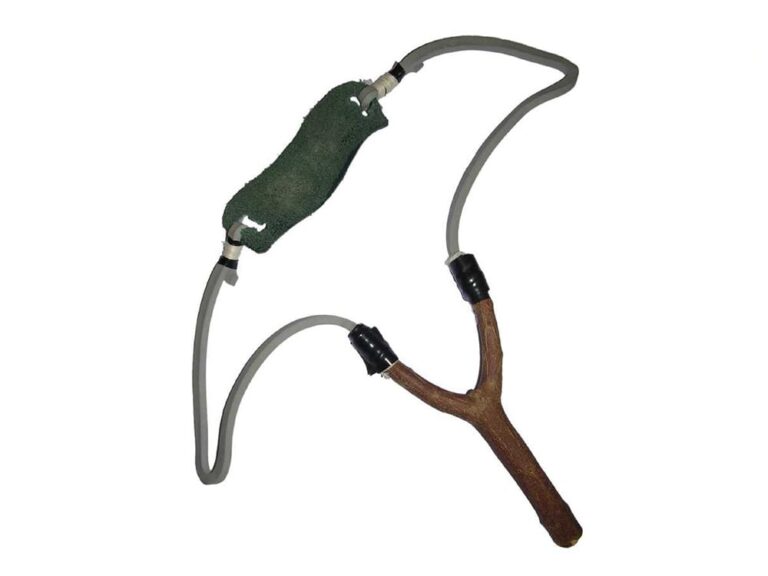
se taper la cloche

The word “cloche” means “bell,” but in French slang, it means “head” or sometimes “idiot.” In the middle of the 19th century, this saying meant to get drunk. But by 1900, it had changed to its present meaning, which is to have a good meal, to banquet, to gorge oneself, to thoroughly enjoy (food & drink) or to eat abundantly. It is connected to the expression “se taper la tête,” which in 1900 meant “to eat.” Equivalent English expressions to “se taper la cloche” would be “to pig out” or “to chow down.”
Don’t miss out on new posts – subscribe now!

Don’t miss new articles!

Get 1 email a week with new articles about French

We don’t spam! Read more in our privacy policy

Similar Posts

  • Cleopatra’s nose

    The French expression « le nez de Cléopâtre » (“Cleopatra’s nose”) comes from a famous line by the 17th-century philosopher and mathematician Blaise Pascal. In his Pensées (1670), he wrote: « Le nez de Cléopâtre, s’il eût été plus court, toute la face de la terre aurait changé. »If Cleopatra’s nose had been shorter, the…

  • avoir lieu

    Understanding the French Expression “Avoir lieu” “Avoir lieu” is a common French expression that literally translates to “to have place” but is used in everyday language to mean “to take place” or “to happen”. Literal Meaning If you break down the expression: However, it’s important to note that “avoir lieu” does not mean “to have…

  • faire grève

    “Faire grève” or “faire la grève” is a French idiom that means “to strike,” or “to go on strike.” This is when workers purposely stop working in their attempt to achieve higher wages and/or better conditions from their employers. The word “grève” in the expression comes from the word for gravel (gravier) which in turn came…

  • décrocher le cocotier

    “Décrocher le cocotier” means literally “to unhook the coconut tree” or “to take down the coconut tree.” In English, it means “to achieve one’s goals, to win a prize, or to triumph.” An equivalent English expression would be “to hit the jackpot.” The saying dates from the 19th century. It refers to greasy pole competitions in…