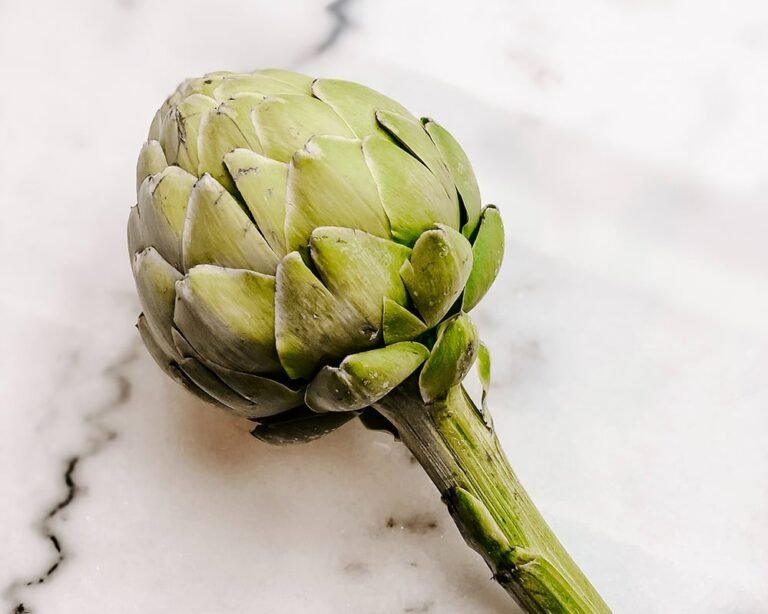
être dans les choux

“être dans les choux” is a French saying that literally means “to be in the cabbages.” What it means really, however, is “to fail, to be in a bad situation, to be ranked last or to lose.” An equivalent English expression is “to be up the creek without a paddle.” It comes from the paronymy (the similar pronunciation of two words) between “les choux” (the cabbages) and “échouer” (to fail). The only connection between the two terms is their pronunciation, nothing more. The idiom first appeared in the second half of the 19th century.

Don’t miss out on new posts – subscribe now!

Don’t miss new articles!

Get 1 email a week with new articles about French

We don’t spam! Read more in our privacy policy

Similar Posts

  • faire le malin

    The French phrase “faire le malin” translates literally as “to make the clever (person),” but it really means “to show off,” “to play it smart,” “to try to be clever,” “to get cute,” or “to boast.” It can also mean “to con” or “to cheat.” Examples Expression A saying that is derived from this phrase…

  • mettre les pouces

    “Mettre les pouces” is a French idiom that literally means “to put the thumbs.” What it really means is to stop resisting, to give in, to admit defeat or to abandon something. It dates from the end of the 18th century. In that same era, a similar expression “coucher les pouces” (to put the thumbs to…

  • manger sur le pouce

    The French saying “manger sur le pouce” translates literally as “to eat on the thumb.” Figuratively, however, it means “to eat quickly,” “to eat rapidly,” or “to eat hastily.” It dates back to the 19th century. People like factory workers and soldiers often ate on the spot, with one hand holding a piece of bread…

  • à huis clos

    “à huis clos” is a French saying that means in private, with all doors closed, in secret. It is an expression dating from the middle of the 16th century, meaning “with doors closed.” “Huis” is an old 11th century word for door, now replaced by the word “porte.” The original word for door was “us,”…