
en catimini

“En catimini” is a French expression that means furtively, stealthily, on the sly or discreetly. It dates back to the second half of the 14th century.

The word “catimini” is often linked to the Greek word “katamenia” which means menstruation. The idea being that women of the era kept their menstrual status largely to themselves.

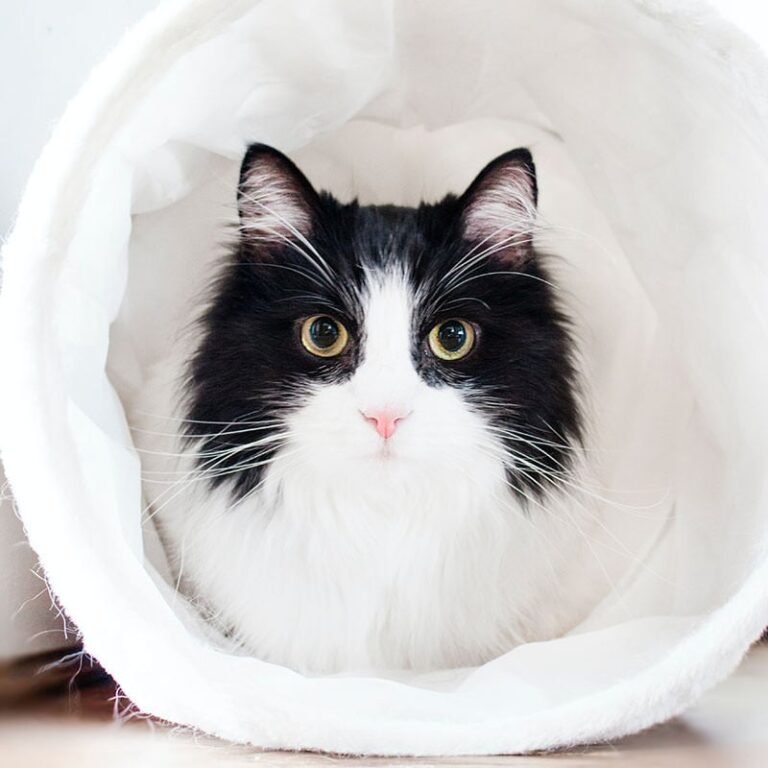
However there is another possible source which comes from the region of Picardy and its Picard language. In the Middle Ages, cats were considered hypocritical animals who used stealth and pretense to hide their attacks. The word “cate” was Picard for cat and “mini” was similar to a modern French word “minou,” which is a common name for a cat in French.

Neither of these sources can be verified 100%, so the exact origin of “en catimini” remains uncertain.

English equivalents of this French saying include “behind closed doors,” “by stealth,” “in secret,” “on the sly,” “on the down low” and “on the quiet.”

Don’t miss out on new posts – subscribe now!

Don’t miss new articles!

Get 1 email a week with new articles about French

We don’t spam! Read more in our privacy policy

Similar Posts

  • How to say “under” in French

    Translating prepositions from one language to another can be a tricky task. One group of prepositions that often poses challenges in learning French is the one containing “under,” “underneath,” “below” and “beneath.” “Sous” The most common and straightforward translation for “under” in French is “sous.” This word is the primary equivalent of “under” and is…

  • Time

    How do you say “time” in French? It depends what sort of time you want to talk about. In French, there are several types of time, not just one. “Le temps” means time in general, or time as a duration. “La fois” means time as an occasion, or as part of a sequence of occasions….

  • Christmas

    The French word for Christmas is “Noël.” It is a masculine noun, but you don’t have to use the article “le” before it, in most situations. “Christmas time” is “la période de Noël.” If you want to say “at Christmas,” it is simply “à Noël.” To wish someone “Merry Christmas,” you say (or write) “Joyeux…

  • guérir

    The French verb “guérir” means “to heal,” “to cure,” “to recover” or “to cure oneself.” It can be used in three different ways: transitively, intransitively and reflexively. Let’s see what that means below. Transitive Used transitively, “guérir” means “to cure” someone of something. Transitive means that the verb “guérir” will have a direct object, which…

  • il me reste

    The French verb “rester” means “to stay” or “to remain” in English. But “rester” can be used with indirect object pronouns to mean “to have left.” This is an impersonal construction. In an impersonal construction, the “il” in “il me reste” means “it,” rather than “he.” The literal translation of “il me reste” is “it…