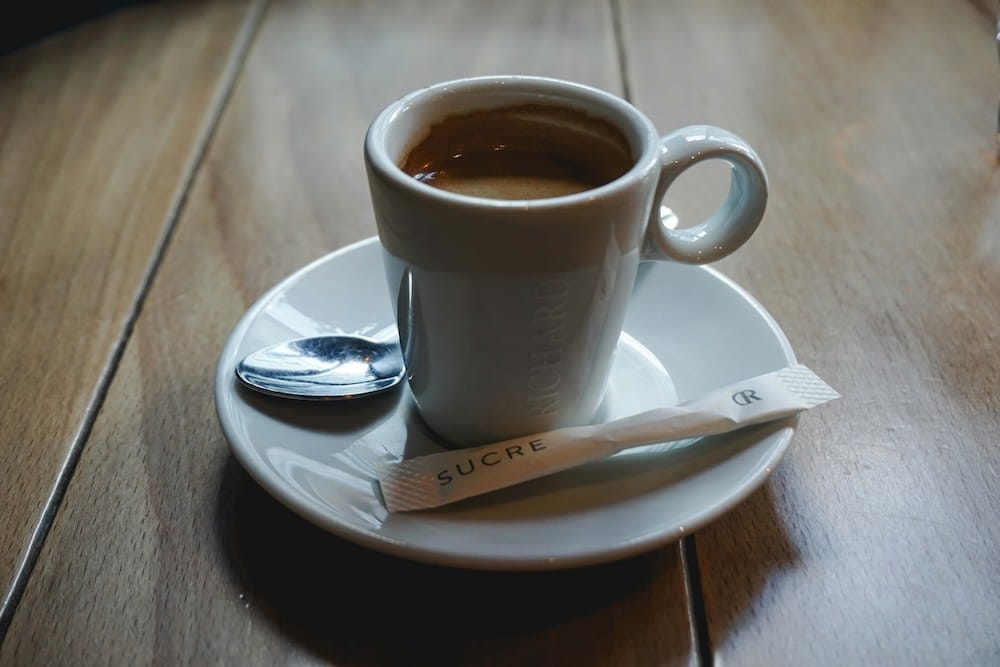
please
French does not have one single word that covers every use of please. Instead, it uses several fixed phrases. The choice depends on formality, tone, and context. Some forms are polite and neutral. Others are formal, written, urgent, or even old fashioned.
S’il vous plaît and s’il te plaît
S’il vous plaît and s’il te plaît are the most common ways to say please. They mean if it pleases you.
- S’il vous plaît, fermez la porte. Please close the door.
- S’il vous plaît, je voudrais un café. Please, I would like a coffee.
- Tu peux m’aider, s’il te plaît ? Can you help me, please?
- Passe-moi le sel, s’il te plaît. Pass me the salt, please.
Use vous for formal situations, strangers, or more than one person.
Use te with friends, family, children, or one person you address as tu.
These forms can appear at the start, middle, or end of a sentence.
- S’il vous plaît, attendez ici. Please wait here.
- Attendez ici, s’il vous plaît. Wait here, please.
Je vous prie and je te prie
Je vous prie and je te prie are more formal. They literally mean I beg you or I ask you.
They are common in formal speech and writing.
- Je vous prie de bien vouloir accepter mes excuses. Please accept my apologies.
- Je vous prie d’entrer. Please come in.
- Je te prie de m’écouter. Please listen to me.
In letters and emails, je vous prie is very common in polite formulas.
Short form used alone:
- Je vous en prie. You are welcome.
- Je t’en prie. You are welcome.
Here it does not mean please, but do not mention it or think nothing of it.
Close alternatives:
- Je vous demanderais de I would ask you to
- Je vous serais reconnaissant de I would be grateful if you
Example:
- Je vous serais reconnaissant de répondre rapidement. I would be grateful if you replied quickly.
Prière de
Prière de is used mainly in written notices and signs. It is formal and impersonal.
It is followed by an infinitive.
- Prière de fermer la porte. Please close the door.
- Prière de ne pas fumer. Please do not smoke.
- Prière de patienter. Please wait.
It sounds firm and official. It is not used in normal conversation.
Close alternatives on signs:
- Merci de ne pas fumer. Thank you for not smoking.
- Défense de fumer. No smoking.
Prière de literally translates as prayer of or request to.
It comes from the noun prière, which means prayer or request, from the verb prier meaning to pray or to beg.
So:
- Prière de fermer la porte. Prayer of closing the door.
In natural English: Please close the door. - Prière de ne pas fumer. Prayer of not smoking.
In natural English: Please do not smoke.
Grammatically, it is a noun phrase, not a verb form. It is short for something like:
- Nous vous faisons prière de… We make a request of you to…
Over time, the longer sentence dropped away, and the fixed expression prière de + infinitive remained.
In modern usage, it functions as a formal instruction, not as a real prayer. It is closer in tone to request to or kindly in English, especially on signs.
De grâce
De grâce is strong and emotional. It means for mercy’s sake or please in a pleading tone.
- De grâce, écoute-moi. Please, listen to me.
- De grâce, arrête ça. Please, stop that.
It is rare in everyday speech. It sounds literary or dramatic.
Close alternatives in strong requests:
- Je t’en supplie. I beg you.
- Je vous en supplie. I beg you.
Example:
- Je t’en supplie, ne pars pas. I beg you, do not leave.
Merci as please
In French, merci can replace please in some requests, especially in shops, emails, and short notes.
- Un café, merci. A coffee, please.
- Vous me rappelez demain, merci. Please call me back tomorrow.
- Merci de répondre avant lundi. Please reply before Monday.
This use is polite but direct. It is common in written instructions.
Imperative alone with polite tone
French often uses the imperative without an explicit word for please. Tone and context carry the politeness.
- Fermez la porte. Close the door.
- Attends ici. Wait here.
To soften it, speakers often add:
- Un peu a bit
- Donc then
- Alors then
Example:
- Attends un peu. Wait a bit.
These are not exact equivalents of please, but they reduce the force.
With vouloir and pouvoir
Requests often use modal verbs instead of a direct command.
- Pouvez-vous m’aider ? Can you help me?
- Tu peux venir ? Can you come?
- Je voudrais un café. I would like a coffee.
These forms often replace please in everyday speech.
Adding s’il vous plaît or s’il te plaît makes them more polite.
- Pouvez-vous m’aider, s’il vous plaît ? Can you help me, please?
Regional and informal forms
In informal speech, especially in some regions, you may hear:
- S’il te plaît bien. Please, really.
- S’il vous plaît bien. Please, if you would be so kind.
These are less common and can sound old fashioned or regional.
Summary
- S’il vous plaît and s’il te plaît are the standard ways to say please.
- Je vous prie and je te prie are more formal and common in writing.
- Prière de is used on signs and official notices.
- De grâce expresses strong emotion or pleading.
- Merci often replaces please in short requests and written instructions.
- Tone, modal verbs, and polite forms often carry the meaning of please without using a direct equivalent.