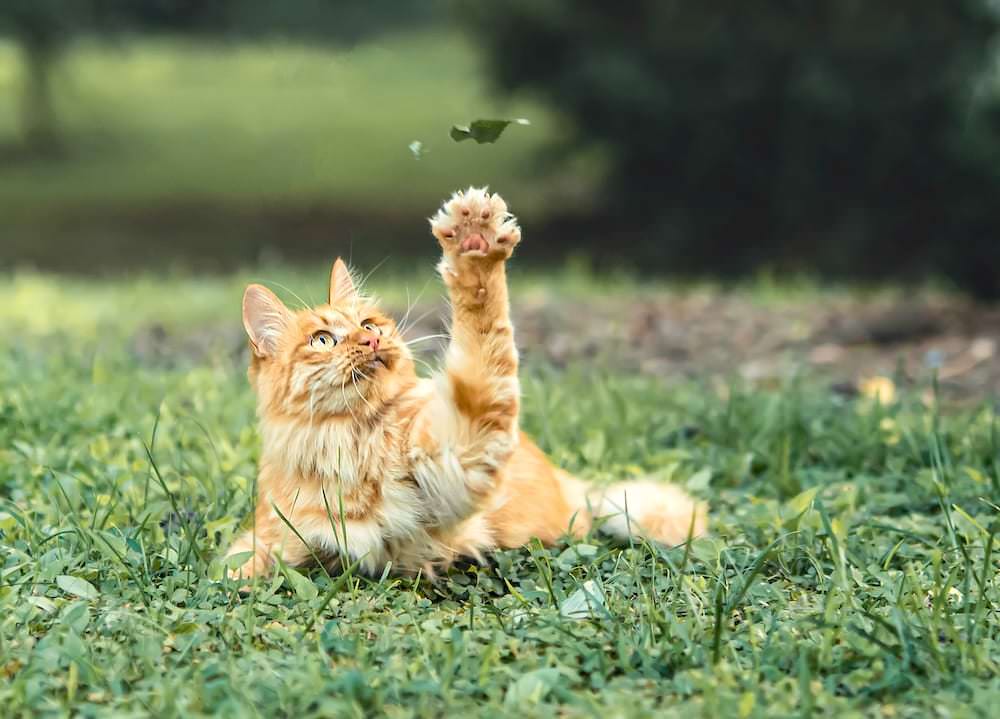
animal sounds
French uses a distinct set of onomatopoeic forms to represent animal sounds. Many differ significantly from their English equivalents because French phonology shapes how sounds are imagined and expressed. These forms appear in children’s books, everyday conversation, idioms, and descriptive narrative. Several verbs of sound also derive from these onomatopoeias, and both forms often coexist.
Dogs
Common forms: ouaf ouaf, ouah ouah, wouf wouf (informal or playful).
Associated verb: aboyer (to bark).
Usage examples:
• Le chien fait ouaf ouaf.
The dog goes woof woof.
• J’ai entendu un chien aboyer toute la nuit.
I heard a dog barking all night.
• Le petit dit que son chien fait wouf quand il arrive.
The little boy says his dog goes woof when he arrives.
Cats
Common forms: miaou, miaouh, miau.
Associated verb: miauler (to meow).
Usage examples:
• Le chat fait miaou quand il a faim.
The cat goes miaow when it is hungry.
• Ce chat miaule devant la porte depuis une heure.
This cat has been meowing at the door for an hour.
• Elle imite le miaou de son chat pour jouer avec lui.
She imitates her cat’s miaow to play with it.
Cat purring
Common forms: ron ron, ronron.
Associated verb: ronronner (to purr).
Usage examples:
• Le chat fait ron ron quand il est content.
The cat goes purr when it is happy.
• On entend le chat ronronner sur le canapé.
We hear the cat purring on the sofa.
• Elle imite le ron ron de son chat pour l’apaiser.
She imitates her cat’s purr to calm it.
Cows
Common form: meuh.
Associated verb: meugler (to moo).
Usage examples:
• La vache fait meuh dans le pré.
The cow goes moo in the field.
• On a entendu les vaches meugler au loin.
We heard the cows mooing in the distance.
• Les enfants répètent meuh en voyant les vaches.
The children say moo when they see the cows.
Sheep and goats
Common forms: bêê, bêêê, sometimes mêê for goats.
Associated verb: bêler (to bleat).
Usage examples:
• Le mouton fait bêê quand il appelle sa mère.
The sheep goes baa when calling its mother.
• Les chèvres bêlent dès qu’elles voient le fermier.
The goats bleat as soon as they see the farmer.
• Les enfants imitent le bêê en jouant à la ferme.
The children imitate baa when playing farm.
Pigs
Common forms: groin groin, ron ron (less common, also used for cats purring), grouik.
Associated verbs: grogner (to grunt), grouiner (informal).
Usage examples:
• Le cochon fait groin groin en cherchant de la nourriture.
The pig goes oink oink while looking for food.
• On entend les cochons grogner dans la porcherie.
We hear the pigs grunting in the pigsty.
• Le fermier imite le grouik pour amuser les enfants.
The farmer imitates oink to entertain the children.
Birds
General bird sound: cui cui (chirping).
Associated verb: gazouiller (to chirp, to warble), piailler (to squawk, to squeal).
Usage examples:
• Les oiseaux font cui cui au lever du soleil.
The birds go tweet at sunrise.
• J’entends les moineaux piailler près de la fenêtre.
I hear the sparrows squawking near the window.
• Les enfants imitent le cui cui en dessinant des oiseaux.
The children imitate tweet while drawing birds.
Roosters and hens
Rooster form: cocorico.
Hen or generic chicken form: cot cot, cot cot codac.
Associated verbs: chanter (for a rooster), glousser (for hens).
Usage examples:
• Le coq fait cocorico à l’aube.
The rooster goes cock-a-doodle-doo at dawn.
• La poule fait cot cot quand elle a pondu un œuf.
The hen goes cluck cluck when it has laid an egg.
• On a entendu le coq chanter toute la matinée.
We heard the rooster crowing all morning.
Horses
Common form: hiii, hiiiii, sometimes hinnn.
Associated verb: hennir (to neigh).
Usage examples:
• Le cheval fait hiii en voyant son cavalier.
The horse goes neigh when it sees its rider.
• On a entendu les chevaux hennir dans l’écurie.
We heard the horses neighing in the stable.
• Les enfants imitent le hiii pendant la visite au centre équestre.
The children imitate neigh during the visit to the riding school.
Ducks and geese
Duck form: coin coin.
Goose form: cancan or cancaner (verb).
Associated verbs: cancaner (to quack or chatter), cacarder (for geese).
Usage examples:
• Le canard fait coin coin en nageant.
The duck goes quack while swimming.
• On entend les oies cacarder près de l’étang.
We hear the geese honking near the pond.
• Les enfants répètent coin coin en jouant avec un canard en bois.
The children say quack while playing with a wooden duck.
Frogs
Common forms: croa croa.
Associated verb: coasser (to croak).
Usage examples:
• La grenouille fait croa croa après la pluie.
The frog goes croak after the rain.
• On entend les grenouilles coasser toute la nuit.
We hear the frogs croaking all night.
• Les enfants imitent le croa croa au bord de l’étang.
The children imitate croak at the edge of the pond.
Bees and insects
Common forms: bzz, bzzz.
Associated verbs: bourdonner (to buzz), vrombir (to hum, for larger insects).
Usage examples:
• Les abeilles font bzz autour de la ruche.
The bees go buzz around the hive.
• J’ai entendu un moustique bourdonner près de mon oreille.
I heard a mosquito buzzing near my ear.
• Les enfants imitent le bzz en jouant avec des figurines.
The children imitate buzz while playing with figurines.
Wolves
Common forms: ouh, ouuuuh.
Associated verb: hurler (to howl).
Usage examples:
• Le loup fait ouh dans la forêt.
The wolf goes howl in the forest.
• On a entendu les loups hurler au loin.
We heard the wolves howling in the distance.
• Ils ont imité le ouuuh en lisant un conte.
They imitated the howl while reading a tale.
Rabbits
Common forms: no widely used French onomatopoeia, but sometimes ron ron for a soft purring noise, though this overlaps with cats.
Associated verbs: clapir (rare; to squeal), couiner (to squeak).
Usage examples:
• Le lapin couine quand il est surpris.
The rabbit squeaks when it is startled.
• On entend un petit lapin clapir dans le jardin.
One hears a little rabbit squealing in the garden.
• Les enfants inventent un petit ron ron pour leur lapin en peluche.
The children invent a soft purr for their toy rabbit.
Summary
• French animal onomatopoeias often differ significantly from English forms.
• Many have corresponding verbs used in everyday speech.
• These forms appear frequently in children’s language, descriptive writing, and humorous or expressive contexts.