Culture

  • marriage

    Marriage in France combines civil law requirements with long-standing social traditions. A legally valid marriage must be performed by a civil authority, while religious or symbolic ceremonies have no legal effect on their own. Vocabulary around marriage is stable and widely used, and many traditions have specific, well-established terms. Legal framework of marriage in France…

  • New Year

    France marks the transition from one year to the next with practices that differ in several respects from those of English-speaking countries. Many customs emphasise well-wishing, sociability, and extended greeting periods. New Year’s Eve: la Saint-Sylvestre The evening of 31 December is la Saint-Sylvestre. Celebrations focus on a festive dinner known as le réveillon de…

  • La Saint-Barthélemy

    In French history, « la Saint-Barthélemy » refers not to a feast day but to a massacre. On 24 August 1572, during the religious wars between Catholics and Protestants (Huguenots), thousands of Protestants were killed in Paris and across France. The event remains one of the most infamous episodes in the French Wars of Religion…

  • sabrage

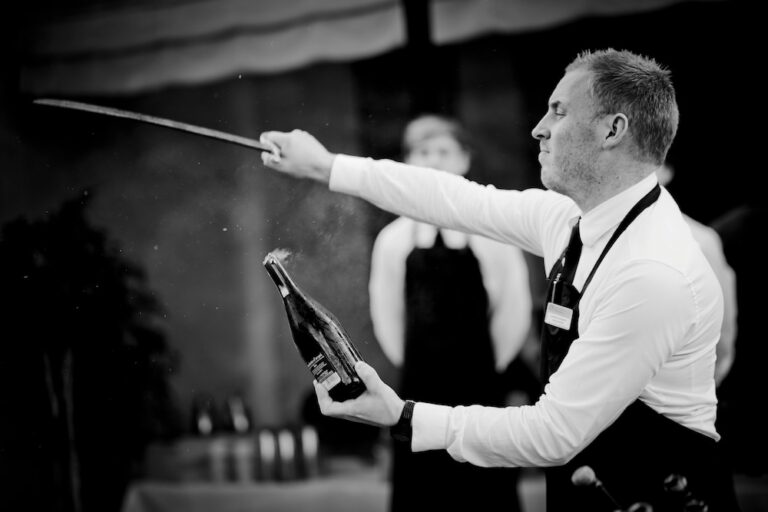
    Sabrage is the French tradition of opening a bottle of champagne with a sword. Instead of gently removing the cork by hand, the neck of the bottle is struck with the blunt edge of a saber (ie, its back edge) so that the cork and collar of glass break away together. The rest of the…

  • cutting bread & cheese

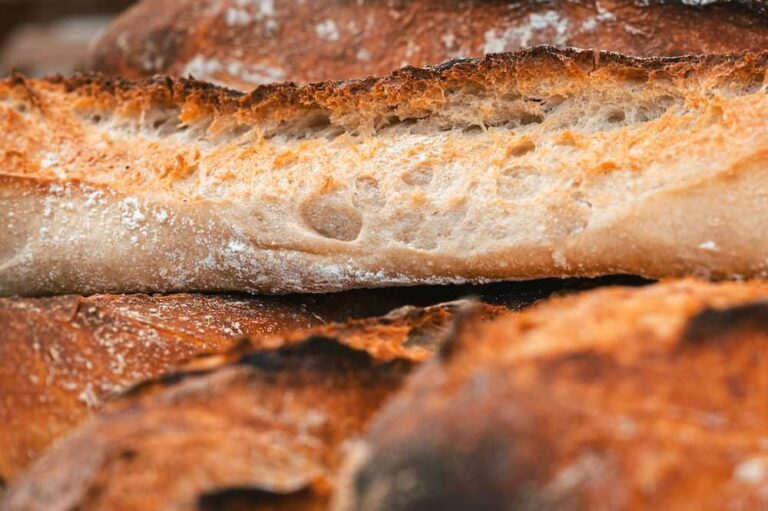
    France is renowned for its rich culinary traditions, where even the simplest acts—like slicing bread or serving cheese—are governed by time-honored etiquette. Whether you’re enjoying a rustic meal or a formal dinner, knowing how to properly cut a baguette or serve cheese can make all the difference. The Sacred Baguette: Never Cut with a Knife…

  • Bélénos

    Long before the Romans arrived, the Gauls worshipped their own gods, including Bélénos, a deity linked to light, the sun, and healing. He’s one of the few well-attested Celtic gods, and you may have seen his name pop up in Astérix comics. Who Was Bélénos? The name Bélénos likely comes from the Celtic root belo-…

  • Toutatis

    The name Toutatis (also spelled Teutates) comes from the ancient Celtic world. He was one of several deities worshipped by the Gauls before the Roman conquest of Gaul. His name is believed to mean “god of the tribe” or “god of the people”, from the Celtic root teuta- meaning “tribe” or “people”. Toutatis was not…