expressions with faire du
Many French sports and leisure activities are expressed with the structure faire du, faire de la or faire de l’ followed by the activity noun. English often uses a verb such as ski, cycle, sail or swim, whereas French frequently uses faire plus a noun phrase.
This construction covers a wide range of activities, including sports, outdoor activities, and some hobbies.
The basic structure
The pattern is faire + partitive article (du, de la, de l’) + activity noun. Use du before masculine nouns, de la before feminine nouns, and de l’ before vowels or mute h.
Examples
• Je fais du ski chaque hiver.
I ski every winter.
• Elle fait de la voile en été.
She sails in summer.
• Nous faisons de l’escalade le week-end.
We go rock climbing on weekends.
Common activities with faire du
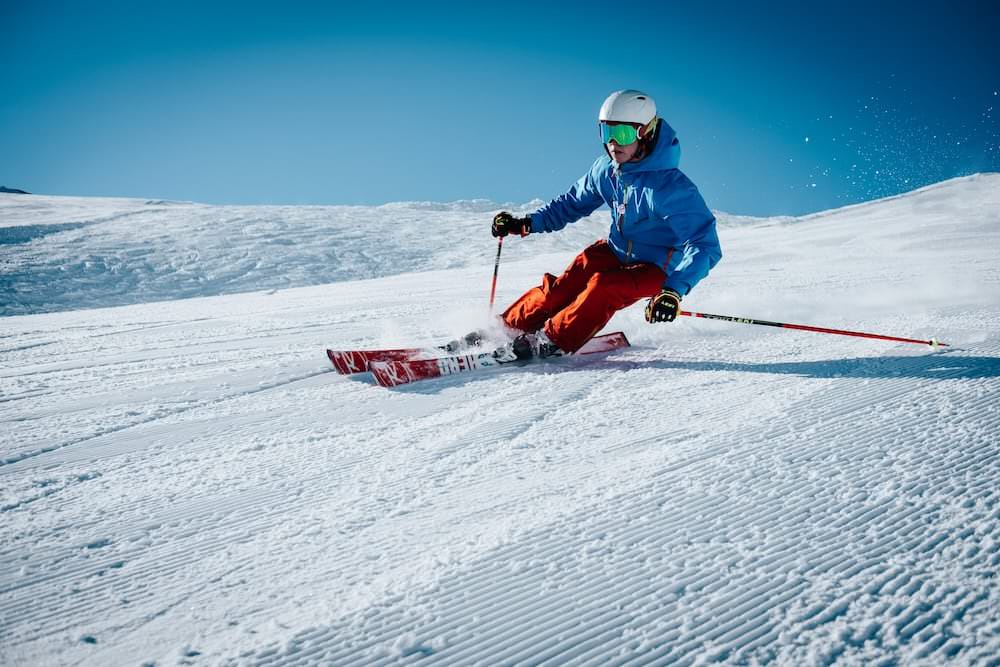
Skiing
- faire du ski
- Usage: general term for skiing.
- Example:
Ils font du ski dans les Alpes.
They are skiing in the Alps.
Cycling
- faire du vélo
- Synonym: faire du cyclisme (more formal or sport-focused).
- Examples:
Je fais du vélo tous les matins.
I cycle every morning.
Elle fait du cyclisme en club.
She does cycling in a club.
Boating
- faire du bateau
- Broader alternatives: faire de la voile (sailing), faire du canoë, faire du kayak.
- Examples:
Nous faisons du bateau sur le lac.
We go boating on the lake.
Il fait de la voile depuis dix ans.
He has been sailing for ten years.
Horse riding
- faire du cheval
- Alternative: faire de l’équitation (more formal).
- Examples:
Elle fait du cheval tous les samedis.
She goes horse riding every Saturday.
Il fait de l’équitation en compétition.
He competes in equestrian sports.
Swimming
- faire de la natation
- Alternative: nager or aller nager (more direct).
- Examples:
Je fais de la natation à la piscine municipale.
I do swimming at the municipal pool.
Ils vont nager dans la rivière.
They are going to swim in the river.
Hiking
- faire de la randonnée
- Alternative: randonner (less common).
- Example:
Nous faisons de la randonnée en montagne.
We go hiking in the mountains.
Climbing
- faire de l’escalade
- Example:
Il fait de l’escalade avec un groupe d’amis.
He does climbing with a group of friends.
Jogging
- faire du jogging
- Synonyms: faire de la course à pied, courir.
- Examples:
Elle fait du jogging tous les soirs.
She goes jogging every evening.
Je cours trois fois par semaine.
I run three times a week.
Surfing
- faire du surf
- Example:
Ils font du surf en Bretagne.
They go surfing in Brittany.
Skateboarding
- faire du skate
- Example:
Il fait du skate au parc.
He skateboards at the park.
Tennis and ball sports
Many ball sports do not use faire du by default but it is possible in informal speech to describe practising the sport. However, jouer à is standard.
Standard form: jouer au tennis, jouer au football, jouer au basket.
Alternative: faire du tennis, faire du foot (informal and widely used).
Examples
• Je joue au tennis le dimanche.
I play tennis on Sundays.
• Elle fait du tennis depuis longtemps.
She has been playing tennis for a long time.
Winter and mountain activities
Snowboarding
- faire du snowboard or faire du snow (informal).
- Example:
Ils font du snowboard pendant les vacances.
They go snowboarding during the holidays.
Sledding
- faire de la luge
- Example:
Les enfants font de la luge dans le jardin.
The children are sledding in the garden.
Why French uses faire du
This construction treats the activity as a general practice or pastime rather than a discrete action. It is similar to English expressions such as “to do sailing” or “to go cycling,” but French uses it more widely and systematically.
Negative forms
In negative sentences, du, de la and de l’ become de.
Examples
• Je ne fais pas de ski.
I do not ski.
• Ils ne font pas de vélo aujourd’hui.
They are not cycling today.
Past and future tenses
The structure remains the same across tenses.
Examples
• Hier, nous avons fait du kayak.
Yesterday, we went kayaking.
• Demain, elle fera de la voile.
Tomorrow, she will go sailing.
Additional expressions
Motorcycling
- faire de la moto
- Example:
Il fait de la moto le week-end.
He rides a motorbike on weekends.
Gardening
- faire du jardinage
- Example:
Je fais du jardinage au printemps.
I do gardening in spring.
Photography
- faire de la photo
- Example:
Elle fait de la photo depuis l’adolescence.
She has done photography since adolescence.
Summary
French uses faire du, faire de la and faire de l’ for many sports and leisure activities. The structure is broader than English equivalents and covers skiing, cycling, sailing, climbing and numerous other activities. Alternatives exist, especially action verbs such as courir, nager or jouer à. The negative form uses de, and the structure remains constant across tenses.