Blanchir de l’argent

“Blanchir de l’argent” is a French expression meaning “to launder money.” Literally it means to whiten or to whitewash money, but in English you would say to launder. Just like the English expression, “blanchir de l’argent” means to give illegally gained money a valid, legal existence by hiding its criminal origins. This is done in a variety of ways such as investing illegal money in legal businesses or by staking some of it at the gambling tables and passing off winnings as legally obtained money.

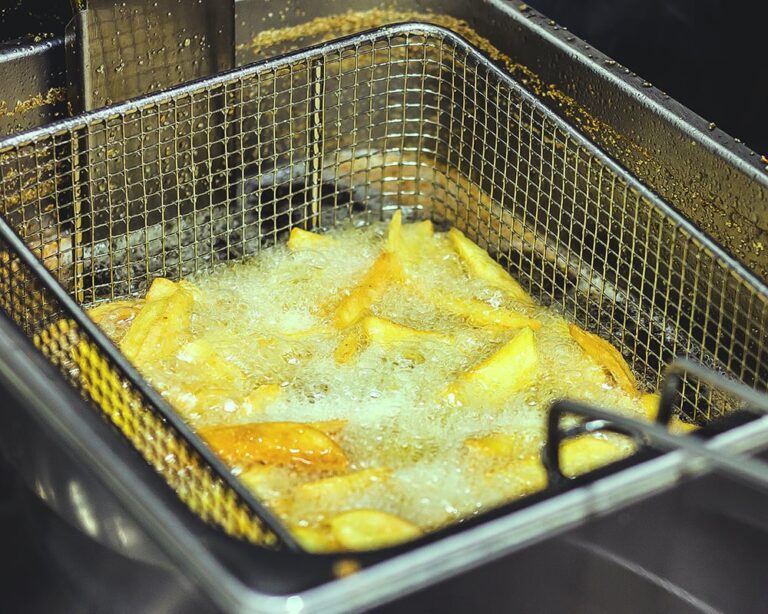
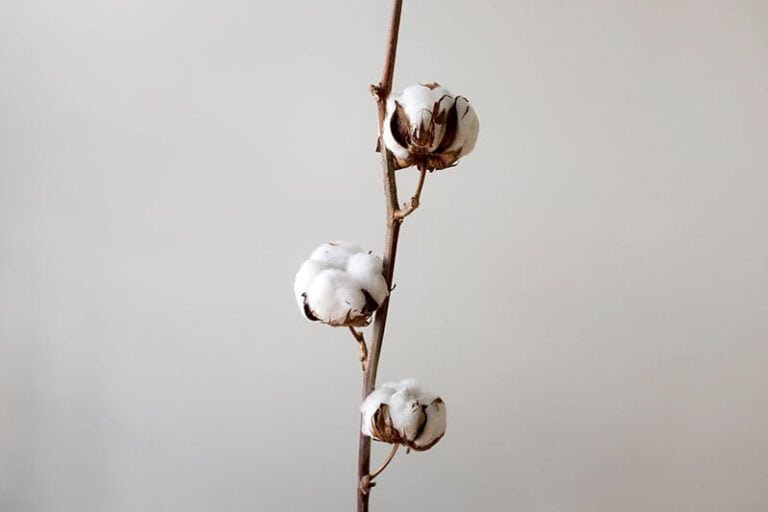
“Blanchir” means to whiten, as in treatments for whitening teeth, or to whitewash, as in whitewashing a wall, or to blanch, as in precooking foods in boiling water, or to go pale, as in pale with fright.

Don’t miss out on new posts – subscribe now!

Don’t miss new articles!

Get 1 email a week with new articles about French

We don’t spam! Read more in our privacy policy

Similar Posts

  • cuiller/cuillère

    The French word “la cuiller” means “the spoon.” It can also be spelled “la cuillère,” which is a spelling that more accurately reflects its pronunciation (KWEE YAIR). Both spellings are accepted in modern French. The spelling of “la cuillère” has recently become more popular, however, due to its more logical connection with standard French phonetics…

  • le parti & la partie

    Homonyms are words that share the same spelling or pronunciation but have different meanings. In this article, we’ll delve into two French homonyms: “parti” and “partie.” Meaning and Usage 1. Le parti: 2. La partie: Etymology 1. Le Parti: Latin Origin: The word “parti” has its roots in the Latin word “partitus,” which is the…

  • maint

    The French adjective “maint” means “many,” “many a,” “numerous” or “manifold.” It is a little archaic and is most commonly used in a literary way, although some still use it in everyday speech. People tend to prefer more modern words such as “beaucoup,” “nombreux,” “plusieurs,” or more familiarly, “plein de.” As an adjective, “maint” must…

  • tomber des nues

    The French expression “tomber des nues” translates literally as “to fall from the clouds.” “Les nues” is a feminine plural noun meaning “the clouds” or “the heavens.” It is not used these days, except in a literary sense. The modern word for clouds is “les nuages” and for heavens it is “le ciel” or “le paradis.”…

  • Occupe-toi de tes oignons

    Literally this expression means “occupy yourself with your onions.” But it translates into English as “Mind your own business.” It is sometimes abbreviated to “c’est pas tes oignons” or simply “pas tes oignons” (none of your business, or “not your onions”). One theory as to the origin of this expression comes from the word “l’oigne,” which…